Author

admin

Browsing

Standard Uranium Ltd. (TSXV: STND,OTC:STTDF) (OTCQB: STTDF) (FSE: 9SU0) (‘Standard Uranium’ or the ‘Company’) is pleased to announce that it has closed the final tranche (the ‘Final Tranche’) of its non-brokered private placement (the ‘Offering’) for gross proceeds of $1,513,500. When combined with earlier tranches, the Company has raised gross proceeds of $3,337,400 in connection with the Offering through the issuance of 15,598,750 non-flow-through units (each, an ‘NFT Unit’) at a price of $0.08 per NFT Unit and 20,895,000 flow-through units (each, an ‘FT Unit’) at a price of $0.10 per FT Unit.

The Company anticipates the net proceeds raised from the Offering will be used for the exploration of the Company’s Saskatchewan uranium projects and for working capital purposes.

In connection with closing of the Final Tranche, the Company issued 15,135,000 FT Units at a price of $0.10 per FT Unit. Each FT Unit consists of one common share of the Company issued as a flow-through share within the meaning of the Income Tax Act (Canada), and one-half of one common share purchase warrant (each whole warrant, a ‘Warrant‘). Each Warrant entitles the holder to purchase one additional common share of the Company at a price of $0.15 at any time on or before October 28, 2027.

In connection with closing of the Final Tranche, the Company paid finders’ fees of $69,360 and issued 693,600 non-transferable share purchase warrants (each, a ‘Finders’ Warrant‘) to certain arms-length parties who assisted in introducing subscribers to the Offering. Each Finders’ Warrant is exercisable on the same terms as the Warrants. All securities issued pursuant to the Final Tranche, and any shares that may be issuable on exercise of any Warrants or Finders’ Warrants, are subject to a statutory hold period until March 1, 2026.

The Company also clarifies that in connection with completion of the first tranche of the Offering on September 16, 2025, a finders’ fee in the amount of $3,000 and 37,500 Finders’ Warrants was paid to Alpha Bronze, LLC, an arms-length party. In connection with completion of the second tranche of the Offering on September 24, 2025, a finders’ fee in the amount of $3,000 and 30,000 Finders’ Warrants was paid to 2506153 Alberta Inc., a company controlled by David Lin, an arms-length party. For further information concerning the first and second tranche of the Offering, readers are encouraged to review the news releases issued by the Company on September 16, 2025 and September 24, 2025.

About Standard Uranium (TSXV: STND,OTC:STTDF)

We find the fuel to power a clean energy future

Standard Uranium is a uranium exploration company and emerging project generator poised for discovery in the world’s richest uranium district. The Company holds interest in over 233,455 acres (94,476 hectares) in the world-class Athabasca Basin in Saskatchewan, Canada. Since its establishment, Standard Uranium has focused on the identification, acquisition, and exploration of Athabasca-style uranium targets with a view to discovery and future development.

Standard Uranium’s Davidson River Project, in the southwest part of the Athabasca Basin, Saskatchewan, comprises ten mineral claims over 30,737 hectares. Davidson River is highly prospective for basement-hosted uranium deposits due to its location along trend from recent high-grade uranium discoveries. However, owing to the large project size with multiple targets, it remains broadly under-tested by drilling. Recent intersections of wide, structurally deformed and strongly altered shear zones provide significant confidence in the exploration model and future success is expected.

Standard Uranium’s eastern Athabasca projects comprise over 42,384 hectares of prospective land holdings. The eastern basin projects are highly prospective for unconformity related and/or basement hosted uranium deposits based on historical uranium occurrences, recently identified geophysical anomalies, and location along trend from several high-grade uranium discoveries.

Standard Uranium’s Sun Dog project, in the northwest part of the Athabasca Basin, Saskatchewan, is comprised of nine mineral claims over 19,603 hectares. The Sun Dog project is highly prospective for basement and unconformity hosted uranium deposits yet remains largely untested by sufficient drilling despite its location proximal to uranium discoveries in the area.

For further information contact:
Jon Bey, Chief Executive Officer, and Chairman
Suite 3123, 595 Burrard Street
Vancouver, British Columbia, V7X 1J1
Tel: 1 (306) 850-6699
E-mail: info@standarduranium.ca

Cautionary Statement Regarding Forward-Looking Statements

This news release contains ‘forward-looking statements’ or ‘forward-looking information’ (collectively, ‘forward-looking statements’) within the meaning of applicable securities legislation. All statements, other than statements of historical fact, are forward-looking statements and are based on expectations, estimates and projections as of the date of this news release. Forward-looking statements include, but are not limited to, statements regarding the intended use of proceeds from the Offering.

Forward-looking statements are subject to a variety of known and unknown risks, uncertainties and other factors that could cause actual events or results to differ from those expressed or implied by forward-looking statements contained herein. There can be no assurance that such statements will prove to be accurate, as actual results and future events could differ materially from those anticipated in such statements. Certain important factors that could cause actual results, performance or achievements to differ materially from those in the forward-looking statements are highlighted in the ‘Risks and Uncertainties’ in the Company’s management discussion and analysis for the fiscal year ended April 30, 2025.

Forward-looking statements are based upon a number of estimates and assumptions that, while considered reasonable by the Company at this time, are inherently subject to significant business, economic and competitive uncertainties and contingencies that may cause the Company’s actual financial results, performance, or achievements to be materially different from those expressed or implied herein. Some of the material factors or assumptions used to develop forward-looking statements include, without limitation: the future price of uranium; anticipated costs and the Company’s ability to raise additional capital if and when necessary; volatility in the market price of the Company’s securities; future sales of the Company’s securities; the Company’s ability to carry on exploration and development activities; the success of exploration, development and operations activities; the timing and results of drilling programs; the discovery of mineral resources on the Company’s mineral properties; the costs of operating and exploration expenditures; the presence of laws and regulations that may impose restrictions on mining; employee relations; relationships with and claims by local communities and indigenous populations; availability of increasing costs associated with mining inputs and labour; the speculative nature of mineral exploration and development (including the risks of obtaining necessary licenses, permits and approvals from government authorities); uncertainties related to title to mineral properties; assessments by taxation authorities; fluctuations in general macroeconomic conditions.

The forward-looking statements contained in this news release are expressly qualified by this cautionary statement. Any forward-looking statements and the assumptions made with respect thereto are made as of the date of this news release and, accordingly, are subject to change after such date. The Company disclaims any obligation to update any forward-looking statements, whether as a result of new information, future events or otherwise, except as may be required by applicable securities laws. There can be no assurance that forward-looking statements will prove to be accurate, as actual results and future events could differ materially from those anticipated in such statements. Accordingly, readers should not place undue reliance on forward-looking statements.

Neither the TSX-V nor its Regulation Services Provider (as that term is defined in the policies of the TSX-V) accepts responsibility for the adequacy or accuracy of this release.

NOT FOR DISTRIBUTION TO UNITED STATES SERVICES OR FOR DISSEMINATION IN THE UNITED STATES

To view the source version of this press release, please visit https://www.newsfilecorp.com/release/272329

News Provided by Newsfile via QuoteMedia

This post appeared first on investingnews.com

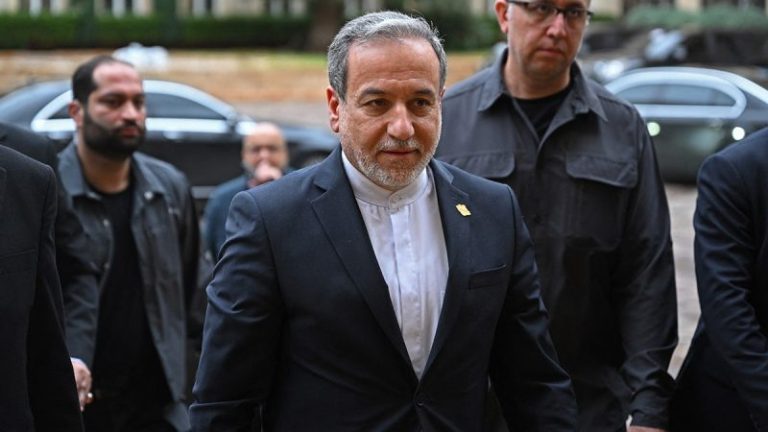
Iranian Foreign Minister Abbas Araghchi rejected claims of mass casualties amid a recent surge in protests within the Islamic country and blamed any killings that have taken place on an ‘Israeli plot’ intended to create a large number of casualties. 

The claim came during a wide-ranging interview on Fox News’ ‘Special Report with Brett Baier’ Wednesday evening, during which Araghchi was told estimates have indicated the death toll in his country could be anywhere between 2,500 to more than 12,000 protesters. But, according to the top Iranian official, the number is in the hundreds. 

‘When terrorist elements led from outside, entered this, you know, protests and started to shoot, you know, police forces, police officers and security forces. And there were terrorist cells. They came in, they used Daesh-style terrorist operations. They got police officers, burned them alive, they beheaded them, and they started shooting at police officers and also to the people. So as a result, for three days, we had, in fact, fighting against terrorists, and not with the protesters,’ Araghchi said. ‘It was completely a different story.’

According to Araghchi, these rogue, terrorist-like actors he spoke of started shooting at civilians for ‘one reason,’ which he said was to draw the United States into the conflict. 

‘They wanted to increase the number of deaths. Why? Because President Trump has said that if there are killings, he would intervene. And they wanted to drag him into this conflict,’ the Iranian Foreign Minister continued. ‘And that was exactly an Israeli plot. They started to increase the number of deaths by killing ordinary people, by killing police officers, by starting a kind of, you know, fighting inside the different cities.’

Iran has seen widespread unrest since the last week of December, as the country faces a massive economic crash that spurred many in Iran to take to the streets in protest.


Contrary to Araghchi’s claims are eyewitness reports that describe government forces in Iran firing upon unarmed protesters. Some even spoke of snipers taking aim at innocent Iranians, according to testimony shared with the New York Times.

During Baier’s interview with Iran’s Foreign Minister, Araghchi also insisted that there are no imminent plans to hang, or otherwise execute, protesters. The top Iranian official tried to downplay the unrest erupting in his country as well, arguing there is now ‘a calm.’    

‘We are in full control,’ Araghchi added. ‘And let’s, you know, hope that wisdom would prevail. And we don’t go for a high level of tension, which could be disastrous for everybody.’

This post appeared first on FOX NEWS

From established players to up-and-coming firms, Canada’s pharmaceutical landscape is diverse and dynamic.

Canadian drug companies are working to discover and develop major innovations amidst an increasingly competitive global landscape. Rising technologies such as artificial intelligence are playing a role in the landscape as well.

Read on to learn about what’s been driving the share prices of the best-performing Canadian pharma stocks.

1. HLS Therapeutics (TSX:HLS)

Year-on-year gain: 26.6 percent
Market cap: C$149.8 million
Share price: C$4.76

HLS Therapeutics focuses on drugs for cardiovascular and central nervous system problems, often through partnerships. The company specializes in acquiring and commercializing pharmaceuticals that address unmet needs, including Vascepa to reduce cardiovascular risk and Clozaril for treatment-resistant schizophrenia.

HLS in-licensed the exclusive rights to the treatments Nilemdo and Nexlizet, both of which are already approved in other countries, from Esperion (NASDAQ:ESPR) in May.

The November 2025 Health Canada approval of LDL-cholesterol lowering treatment Nilemdo represents the most significant catalyst for the company since the launch of Vascepa, positioning HLS as a dominant leader in the Canadian cardiovascular market. The company is targeting Nilemdo’s commercial launch in Q2 2026.

Along with the approval, Health Canada issued a notice of non-compliance for its Nexlizet cholesterol-reducing treatment. According to HLS, the decision was related to chemistry, manufacture and controls data, not clinical data or safety.

Additionally, the company generates revenue from a diversified portfolio of royalty interests on various products marketed by third parties.

2. Satellos Bioscience (TSXV:MSCL)

Year-on-year gain: 14.49 percent
Market cap: C$141.04 million
Share price: C$0.79

Satellos Bioscience is a Canadian pharmaceutical company expanding treatment options for muscle disorders. The company has focused specifically on Duchenne muscular dystrophy, developing therapies that target the specific biological pathways involved in regenerating and repairing muscle tissue.

Its lead candidate, SAT-3247, targets a protein called AAK1, which regulates the activity of stem cells that activate and differentiate new muscle fibers.

In Q4 2025, Satellos administered the first dose to a patient in its 11-month open-label follow-up study for adults who completed its initial Phase 1b trial. The study seeks to demonstrate the lasting impact of the significant functional improvements observed earlier in the year.

On December 9, the company received Investigational New Drug (IND) clearance from the US Food and Drug Administration (FDA) and several other global regulators to initiate BASECAMP, a global Phase 2 randomized, placebo-controlled study to evaluate SAT-3247 in pediatric patients.

3. Knight Therapeutics (TSX:GUD)

Year-on-year gain: 14.29 percent
Market cap: C$592.59 million
Share price: C$6.00

Knight Therapeutics is a specialty pharmaceutical company headquartered in Montreal, Québec. It operates on an acquisition and in-licensing model, obtaining the rights to innovative medicines from global pharmaceutical companies and commercializing them across Canada and Latin America.

The company was originally founded by the former leaders of Paladin Labs, which was acquired by Endo International in 2014. In June 2025, Knight bought the Paladin business back from Endo for C$107 million, adding over 40 products to Knight’s Canadian roster.

The additions, helped drive 32 percent revenue growth year-over-year to a record C$122.55 million in Q3. The company projects its Knight Canada subsidiary will be the company’s top revenue-contributor within two years.

4. BioSyent (TSXV:RX)

Year-on-year gain: 10.07 percent
Market cap: C$146.89 million
Share price: C$12.90

BioSyent is a specialty pharmaceutical company focused on in-licensing or acquiring established, high-margin healthcare products for the Canadian and international markets. Its growth is anchored by brands in iron health and women’s wellness. Its flagship brand, FeraMAX, has been Canada’s leading iron supplement for over a decade.

The company’s 2024 acquisition of Tibella, a treatment for menopausal symptoms, has been a major growth driver. According to its Q3 earnings report. BioSyent’s sales grew 19 percent year-over-year in Canada and 94 percent in the international market.

5. NurExone Biologic (TSXV:NRX)

Year-on-year gain: 6.45 percent
Market cap: C$47.54 million
Share price: C$0.66

NurExone Biologic is behind ExoTherapy, a drug-delivery platform that uses exosomes, which are nano-sized extracellular vesicles, to create treatments for central nervous system disorders, spinal cord injuries and traumatic brain injuries. It is a less invasive alternative to cell transplantation, which requires surgery and carries the risk of rejection.

NurExone’s first nano-drug, ExoPTEN, uses a proprietary sIRNA sequence delivered with the ExoTherapy platform to treat spinal cord injuries. ExoPTEN received orphan drug designation from the US FDA in October 2023.

The company expects to initiate its Phase 1/2a first-in-human trial for acute spinal cord injury in the second half of 2026, targeting patients with traumatic injuries.

It continues to make significant progress, with recent preclinical studies demonstrating strong, dose-dependent vision recovery in glaucoma models and improved motor function in spinal cord injury models.

The company announced plans for a US exosome production facility in Indianapolis, Indiana, in September. According to the release, ‘The GMP compliant site would produce exosomes both for NurExone’s therapeutic pipeline and for a growing business-to-business opportunity in regenerative aesthetics.’

In December, the company began planning for small-scale production of ExoPTEN in Israel to support its clinical trial.

Securities Disclosure: I, Meagen Seatter, hold no direct investment interest in any company mentioned in this article.

This post appeared first on investingnews.com

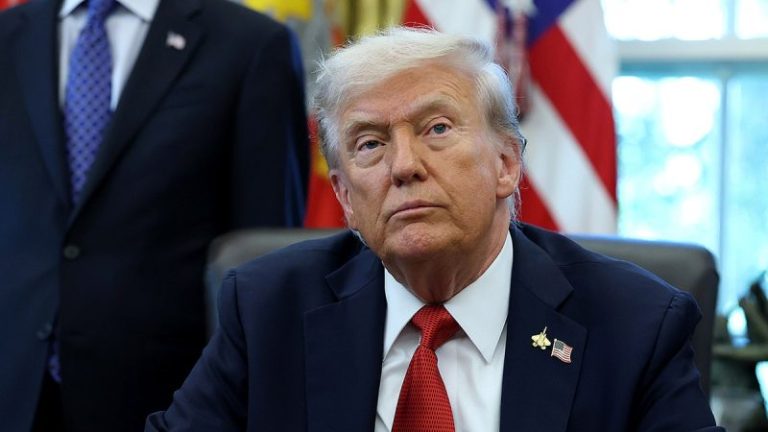
President Donald Trump on Wednesday signed a directive ordering the Department of War to keep paying U.S. troops despite the ongoing government shutdown, bypassing Congress after lawmakers failed to reach a funding deal for weeks.

The White House said the move is necessary to protect ‘military readiness’ as the budget standoff stretched into its third week. The order, issued as National Security Presidential Memorandum-8 (NSPM-8), directs the department to use available fiscal year 2026 funds to cover military pay and allowances.

‘The current appropriations lapse presents a serious and unacceptable threat to military readiness and the ability of our Armed Forces to protect and defend our Nation,’ the memo states.

Trump cited his Article II powers as commander-in-chief in issuing the order, which covers active-duty troops and reservists on service orders. The directive instructs officials to use only funds that are legally tied to military pay, in coordination with the Office of Management and Budget (OMB).

More than one million service members were expected to miss paychecks starting this week if Congress didn’t act. Trump’s move marks a break from past administrations, which often waited for bipartisan deals instead of intervening directly.

Rep. Nick LaLota, R-N.Y., told Fox News Digital that ‘Trump’s mid-month action was welcome news to the military community. But now that same community is anxious about what happens at the end of the month, where mortgages and rents and car payments all become due.’

‘Democrats were wrong to try to use troop pay as leverage to accomplish their political goals. And it would be wrong, it would be just as wrong, for a Republican to hope that that lack of pay would be a catalyst to get Democrats to acquiesce,’ LaLota said. ‘[Trump is] protecting the troops when Congress won’t.’

The Pentagon has not said which specific accounts will be used. Reports from Roll Call and Reuters indicate the administration has identified roughly $8 billion in unobligated defense funds as potential options.

Critics warn the move could face legal challenges under the Antideficiency Act, which bars spending money not appropriated by Congress. But White House officials argue the law permits spending that has a ‘reasonable, logical relationship’ to the purpose of the original funds: in this case, keeping troops paid.

The directive follows Trump’s Oct. 11 order to keep troop payments flowing during the shutdown. The White House’s latest move Wednesday with Congress still in gridlock could shape government shutdowns for generations to come.

Fox News Digital’s Elizabeth Elkind contributed to this report.

This post appeared first on FOX NEWS

The House of Representatives passed a roughly $80 billion spending package Wednesday evening, taking a significant step toward averting a government shutdown at the end of this month.

The package combines two of Congress’ 12 annual appropriations bills in what’s called a ‘minibus.’ It covers funding for the State Department and related national security, as well as federal financial services and general government operations.

The bill passed with overwhelming bipartisan support in a 341-79 vote.

Glaring questions still remain, however, over funding for the Department of Homeland Security (DHS) as progressives threaten to withhold support from any such bill unless it’s paired with significant reforms to Immigration and Customs Enforcement (ICE).

The push comes from the left in response to an ICE agent shooting 37-year-old Renee Nicole Good, a U.S. citizen who was driving her car when it made physical contact with a law enforcement official who then fatally shot her.

Partisan divisions have erupted over the narrative, with GOP officials like DHS Secretary Kristi Noem saying the agent acted in self-defense, while Democrats on Capitol Hill have called for criminal investigations.

DHS funding was initially expected to be part of this minibus, but House Appropriations Committee Chairman Tom Cole, R-Okla., told reporters earlier this week he would like to see the bill as part of the final package that’s also expected to include funding for the Department of War, Department of Transportation, Department of Labor, the Education Department and Health and Human Services, among others.

But the top Democrat on the panel, Rep. Rosa DeLauro, D-Conn., told reporters Tuesday she wanted to see DHS funding as a separate bill.

‘It’s got to be by itself,’ DeLauro said. ‘It’s got to be separate.’

Meanwhile, the Congressional Progressive Caucus is formally threatening to oppose any DHS funding that does not change immigration enforcement policy, Rep. Ilhan Omar, D-Minn., announced.

‘Our caucus members will oppose all funding for immigration enforcement in any appropriation bills until meaningful reforms are enacted to end militarized policing practices. We cannot, and we should not continue to fund agencies that operate with impunity,’ she told reporters.

But the bill that passed Wednesday did so with wide bipartisan support, as expected.

All federal spending bills after last year’s government shutdown are a product of bipartisan discussions between the House and Senate.

The recent package totals just over $76 billion in federal funds and is now headed to the Senate for its approval before reaching President Donald Trump’s desk.

The State Department and national security bill includes $850 million for an ‘America First Opportunity Fund,’ aimed at giving the secretary of state funding to respond to potential unforeseen circumstances.

Both Republicans and Democrats touted different victories in the legislation, with a summary by House Appropriations Committee Republicans stating the bill supports ‘President Trump’s America First foreign policy by eliminating wasteful spending on DEI or woke programming, climate change mandates, and divisive gender ideologies.’

Democrats said the bill ‘supports women globally’ by ‘protecting funding for bilateral family planning and the United Nations Population Fund (UNFPA)’ and pointed to $6.8 billion for a new account ‘that supports the activities previously funded under Development Assistance.’ 

The bill also provides millions in security assistance for Israel and Taiwan, among other global partners across the world.

The latter bill provides just over $13 billion for the U.S. Treasury for the remainder of fiscal year 2026, while also including a provision that stops the IRS ‘from targeting individuals or groups for exercising their First Amendment rights or ideological beliefs,’ according to Republicans.

It also provides $872 million for the Executive Office of the President and $9.69 billion in discretionary funding for the Federal Judiciary.

Across the Capitol, the Senate is expected to vote on and pass the previous three-bill funding package on Thursday before leaving Washington, D.C., for a weeklong recess.

Neither side appears willing to thrust the government into another shutdown, with Senate Democrats in particular viewing the package as an opportunity to fund several of their priorities. But there is a growing consensus that a short-term funding patch will be needed to allow lawmakers to finish work on the thornier DHS bill.

‘Homeland is obviously the hardest one, and it’s possible that, if we can’t get agreement, that there could be some sort of CR that funds some of these bills into next year,’ Senate Majority Leader John Thune, R-S.D., said.

Still, bipartisan funding talks are still happening, a stark departure from the last government funding deadline in October. But lawmakers in the upper chamber won’t be able to tackle the two-bill package until they return toward the end of the month.

This post appeared first on FOX NEWS

Here’s a quick recap of the crypto landscape for Friday (November 14) as of 9:00 p.m. UTC.

Get the latest insights on Bitcoin, Ether and altcoins, along with a round-up of key cryptocurrency market news.

Bitcoin and Ether price update

Bitcoin (BTC) was priced at US$94,223.98, a 4 percent increase in 24 hours and its lowest valuation of the day. Its highest was US$97,203.84.

Bitcoin price performance, November 14, 2025.

Chart via TradingView.

Bitcoin’s drop below US$95,000 on Friday, driven by expiring derivatives, whale selling, and weak institutional and retail demand, has intensified fears of an entrenched bear market.

Analysts predict Q4 could be Bitcoin’s “worst fourth quarter on record.’

On X, analyst @follis_ notes that the Wyckoff Distribution model, a classic five phase pattern typically observed near market tops and often precursor to prolonged selling pressure, could signal a potential end to Bitcoin’s bull run.

The pattern suggests that after a buying climax near US$122,000 and a sequence of tests failing to create new highs, the price entered a markdown phase. Bitcoin could drop to US$86,000 if key support levels fail to hold.

Meanwhile, Ether (ETH) was priced at US$3,129.77, a 1.6 percent decrease in the last 24 hours. Its lowest valuation of the day was US$3,131.31, while its highest was US$3,246.27.

Altcoin price update

  • Solana (SOL) was priced at US$139.74, down by 1.9 percent over the last 24 hours. Its lowest valuation of the day was US$138.83, while its highest was US$143.61.
  • XRP was trading for US$2.27, down by 1.5 percent over the last 24 hours. Its lowest valuation of the day was US$2.26, while its highest was US$2.33.

Fear and Greed Index snapshot

Bitcoin’s bearish trajectory has pushed market sentiment into extreme fear. As of today, CMC’s Crypto Fear & Greed Index continues to trend in extreme fear territory with the indicator sitting at 22, marking the lowest levels of investor confidence since March and signaling that traders are highly cautious about entering the market.

CMC Crypto Fear and Greed Index, Bitcoin price and Bitcoin volume.

Chart via CoinMarketCap.

Derivatives data

Bitcoin and Ether futures markets saw a wave of long-side liquidations in the hours leading up to the end of the trading day, signaling trader capitulation amid continued price weakness. Roughly US$65.24 million in Bitcoin positions were liquidated over a four hour window, with the bulk coming from longs. Ether followed a similar pattern, registering US$22.13 million in liquidations, again concentrated among leveraged long positions.

The liquidations coincided with a clear contraction in open interest, suggesting that traders not only endured forced unwinds but also reduced overall exposure. Bitcoin open interest slipped 2.3 percent to US$66.05 billion, while Ether open interest saw a sharper 3.8 percent decline to US$36.31 billion.

Funding rates stayed positive — 0.007 for Bitcoin and 0.012 for Ether — indicating that the futures market remained slightly tilted toward bullish positioning despite the shakeout.

However, Bitcoin’s relative strength index sat at a notably low 27.33, entering the oversold zone and hinting that derivatives pressure may have pushed the market toward a possible short-term exhaustion point.

Taken together, the metrics point to forced deleveraging rather than a broad directional shift, though sustained weakness in open interest could temper near-term volatility once liquidation volumes normalize.

Today’s crypto news to know

Saylor denies reports of Bitcoin selloff

Strategy’s (NASDAQ:MSTR) Michael Saylor took to X on Friday to debunk reports that the company has reduced its Bitcoin holdings by roughly 47,000 BTC.

“I think the volatility comes with the territory,” he reiterated in a CNBC interview that day. “If you’re going to be a Bitcoin investor, you need a four-year time horizon and you need to be prepared to handle the volatility in this market.”

An earlier post from @Crypto Crib claims that the company had offloaded over 30,000 BTC; however, community-supplied context clarifies that 22,704 BTC were moved on October 31, and that these transfers were internal custody movements, not open-market sales.

Tether expanding commodity lending

In an interview with Bloomberg, Tether CEO Paolo Ardoino said the company is ‘expanding its presence in commodity lending,’ noting that the focus going forward will include traditional commodity trades like agriculture and oil managed under its new Trade Finance unit, which provides short-term credit for global supply chains.

The company has lent roughly US$1.5 billion in credit to commodities traders so far.

Alibaba builds tokenized payment system

Alibaba Grou Holding (NYSE:BABA) is developing a stablecoin-like system to streamline cross-border payments for its US$35 billion e-commerce network, aiming for a year-end launch.

The tokenized platform will initially support US dollars and euros, and will include further plans to expand to additional currencies using JPMorgan’s tokenization technology.

Under the system, artificial intelligence-driven smart contracts will automate settlements, dispute resolution, and conditional fund releases to reduce friction in B2B transactions. The system will operate alongside Alibaba’s Agentic Pay rail to enhance speed and transparency.

While not a formal stablecoin, the solution acts as a fiat-backed digital token for settlement purposes.

UAE tightens crypto access

The United Arab Emirates (UAE) has enacted a new central bank law that broadens licensing requirements for financial services, effectively criminalizing unlicensed crypto activity. Article 170 imposes penalties, including fines up to AED 500 million (US$136 million) and imprisonment, for offering financial products without authorization.

Self-custody tools, such as Bitcoin wallets, blockchain explorers, and market-data services, now fall under the licensing net, creating compliance challenges for providers inside and outside the UAE.

Article 61 further restricts promotion, marketing, or publication of unlicensed financial activities, affecting even online communications. Companies have a one year window to comply, subject to central bank discretion.

Uniswap introduces continuous clearing auctions

Uniswap introduced continuous clearing auctions on Thursday (November 13), a new protocol aiming to facilitate token offerings through its infrastructure. The company said that the protocol will help teams ‘bootstrap liquidity on Uniswap v4 and find the market price for new and low-liquidity tokens,’ adding that several additional tools currently under development will eventually be added to help projects launch and deepen token liquidity on the platform.

Securities Disclosure: I, Giann Liguid, hold no direct investment interest in any company mentioned in this article.

Securities Disclosure: I, Meagen Seatter, hold no direct investment interest in any company mentioned in this article.

This post appeared first on investingnews.com

Several federal prosecutors in Minnesota were formally fired on Wednesday after they gave notice that they had resigned in the wake of internal disagreements over the Justice Department’s handling of a shooting investigation involving Immigration and Customs Enforcement.

The DOJ, at the direction of Attorney General Pam Bondi and Deputy Attorney General Todd Blanche, terminated the employment of five prosecutors in the U.S. attorney’s office in Minnesota, including Joseph Thompson, the No. 2 official there,according to two sources familiar with the matter.

Their resignations and the internal disputes about the shooting probe first surfaced in the New York Times. The prosecutors were positioned to receive paid leave for months prior to their firings on Wednesday,according to the sources.

Thompson was spearheading a massive, high-profile investigation into welfare fraud in the state before he submitted his resignation. His exit came after he clashed with officials in Washington, D.C., over the investigation into the ICE shooting, which left 37-year-old Renee Good dead. Fox News Digital reached out to the U.S. Attorney’s Office in Minnesota in an effort to reach Thompson for comment.

Thompson had expressed during a call with DOJ and FBI officials last week that he was on board with investigating the ICE shooting as an assault on or obstruction of a law enforcement officer, a source familiar with the call told Fox News Digital.

Another one of the fired prosecutors, Melinda Williams, who was also involved in the fraud work, was on the call as well, the source said.

Thompson also indicated that he believed the shooting was justified, two sources said. Prior to the shooting, he had already been discussing the possibility of resigning, the sources said.

Videos of the shooting showed an ICE agent opening fire on Good at close range after she was seen accelerating toward the agent in her vehicle while he was standing in front of it. Critics have argued that the agent improperly used deadly force against Good and that she had turned the wheels of her vehicle away from the agent before accelerating.

The FBI is investigating the incident and has excluded Minnesota prosecutors from the probe, which the Trump administration has said is justified because the incident involved a federal officer. Minnesota leaders have denounced that decision and launched their own parallel investigation.

While supportive of conducting the investigation as an offensive against law enforcement — rather than a civil rights matter against the agent — Thompson had reservations during last week’s call about the DOJ’s plan to also investigate Good’s widow and other possible co-conspirators, the source familiar with the call said.

The FBI had developed evidence that suggested Good and her spouse had at some point been following ICE officers on the day of the shooting, the source said.

That revelation echoes Homeland Security Secretary Kristi Noem’s allegations during a recent press conference that Good had been ‘stalking and impeding’ ICE throughout the day of the shooting. Noem said Good ‘weaponized’ her vehicle and that the ICE agent who fired shots feared for his life.

In a statement to Minnesota Public Radio, Good’s spouse, Becca, said that on Jan. 7, the day of the shooting, she and Renee ‘stopped to support [their] neighbors.’

‘We had whistles. They had guns,’ Becca Good said.

Minneapolis Mayor Jacob Frey and other Democrats have lauded the prosecutors who resigned, framing their departures as a valiant boycott against DOJ.

‘These prosecutors are heroes, and the people pushing to prosecute Renee’s widow are monsters,’ Frey wrote on X.

At this stage, there is no sign that the DOJ is planning to bring charges against Becca Good, despite the DOJ and FBI pursuing an investigation into her as part of a broader probe into any conspiracies to hinder federal law enforcement operations.

Fox News Digital reached out to the DOJ for comment.

David Spunt contributed to this report.

This post appeared first on FOX NEWS

Brunswick Exploration Inc. (TSX-V: BRW, OTCQB: BRWXF; ‘ BRW ‘ or the ‘ Company ‘) is pleased to announce inaugural drilling results from its Anatacau Main Project, located in the Eeyou Istchee-James Bay region of Quebec. All drillholes were centered on the Anais showing and intercepted multiple, large spodumene-bearing pegmatites with rich lithium mineralization. The pegmatites are found along a major deformation corridor, reminiscent of the neighboring Galaxy deposit owned by Rio Tinto located 22 kilometers to the West.

Highlights include:

  • 1.66% Li2O over 47.2 meters in drill hole AN-25-05 within a larger package of continuous lithium mineralization (present within both country rock and pegmatites) of 120.7 meters at 1.31% Li2O .
  • Very high cesium values intercepted in multiple secondary sub-parallel dykes including 1.46% Cs2O over 1 meter and 0.8% Cs2O over 1 meter.
  • This latest discovery is now drill traced over 170 meters of strike length and is open in all directions.

Mr. Killian Charles, President and CEO of BRW, commented: ‘Today’s exciting results underscores the opportunities across our continuously growing portfolio. We are rapidly starting to define a sizeable lithium system at Anatacau Main which, importantly, remains open in all directions. Furthermore, we are seeing mineralization constrained to the same structural corridor that is found at Rio Tinto’s Galaxy project (54.3Mt M&I at 1.30% Li2O and 55.9Mt Inferred at 1.29%, see Note ) and BRW’s Anatacau West. At Anatacau Main, we control over 18 kilometers of this highly prospective corridor which will be the focus of subsequent work in Q1 2026.

Between these strong results at Anatacau, a forthcoming maiden resource estimate for Mirage, an inaugural drill campaign in Greenland and further growth opportunities beyond the existing portfolio, Brunswick Exploration is among the most exciting companies in the lithium exploration space.’

Table 1 : Mineralized Intercepts from Inaugural Drilling Program at Anatacau Main

True thickness is estimated between 65% and 85%

Figure 1 : Surface Map of the Anatacau Main Project and Drill Holes Completed to Date

Results Interpretation

The largest pegmatite outcrop observed at the Anais showing has now been extended to over 170 meters in strike length and to a maximum depth of 98 meters. It remains open in all direction with an apparent thickness of 47.2 meters (DDH AN-25-05) at its widest point. The main pegmatite dyke is interpreted to be dipping 85 degrees to the West. Several other, well-mineralized stacked pegmatite intervals were also intercepted in all holes, demonstrating the potential for more dyke discoveries in the vicinity of the outcrop (Figure 1). The mineralized dykes discovered at Anatacau straddle the southern side of an interpreted major deformation zone, striking northwest-southeast; a structural control that is reminiscent of the Galaxy deposit (Figure 2). The different pegmatite dykes appear to be oriented North-South to Northeast-Southwest.

The pegmatite dykes show excellent continuity in terms and mineralogy and grade, with several high-grade zones intersected to date (Table 1, Figure 3). The mineralized pegmatite dykes typically exhibit massive to coarse crystals (15+centimeters) with a mineralogy consisting of quartz, white K-feldspar, plagioclase, white spodumene, and minor amounts of muscovite, fine-grained tourmaline, and blue apatite. Spodumene crystals are inclusion-free and are consistently white unlike spodumene mineralization found at the Galaxy deposit and Anatacau West which varies from off-white to greenish. Some pegmatite intervals are under the cut-off of 0.3% Li2O but demonstrate high values of tantalum and cesium (up to 1.46% Cs2O in a 1 meter interval). This highlights the potential for other types of mineralization and by-products at the Anatacau Main project, a feature uncommon in other James Bay projects.

Host rocks consist of greywacke and amphibolite, locally deformed into schist near the deformation zone where pegmatites seem to propagate well into both units. Holmquistite, a lithium amphibole, is commonly observed in all host rocks at varying concentrations (up to 1.5% Li2O in host rock) over significant widths. This pervasive lithium alteration is potentially indicative of significant lithium bearing fluids along the deformation corridor and could be potentially used as a vectoring tool for further discoveries.

A geometallurgical study is underway at SGS using DMS (Dense Media Separation) with results expected early in 2026.

Figure 2 : Regional Map of the Anatacau Main and Anatacau West Projects

Figure 3 : Cross Section A-A’ (see Figure 1 for Location)

Table 2 : Drill Hole Collars (UTM Nad83, Zone 18N)

Drill hole Azimut Dip Length UTM X UTM Y
AN-25-01 78 -49.2 126 380436.08 5784638.25
AN-25-02 78 -72.26 93 380436.08 5784638.25
AN-25-03 98.33 -50.53 144 380384.73 5784678.00
AN-25-04 129 -49.27 108 380384.42 5784599.78
AN-25-05 140 -49.27 159 380329.20 5784591.66
AN-25-06 140 -49.26 165 380232.46 5784553.73


Anatacau Drilling Campaign Overview

Six (6) diamond drill holes were completed (see Figure 1 and Table 2) for a total of 750 meters. The holes were spaced by 55 to 100m, and all holes intercepted mineralized pegmatites.

The aim of the 2025 drilling campaign was to test at shallow depths (less than 150 meters vertical depth) the pegmatite dykes mapped at surface on the Anaïs showing. The drilling campaign was performed in HQ size to perform a geometallurgical study, planned according to a grant from the Ministry of Natural Resources and Forests of the Quebec Government.

Brunswick Exploration discovered the Anais showing in 2023, which consists of several parallel pegmatite dykes with visible spodumene mineralization. The largest dyke found to date is exposed over a 15 m wide by 100m long outcrop. Several grab samples returned high grade values ranging from1.19 to 3.83% Li2O on the outcrop itself (see press release dated July 13, 2023). The Anais lithium discovery is located 22 kilometers East and along strike from Rio Tinto’s Galaxy project and BRW’s Anatacau West project.

Note

SEC Technical Report Summary for the James Bay Lithium Project prepared by SLR Consulting (Canada), Wave International Pty and WSP Canada for Arcadium Lithium Plc., dated August 31 2023

About the Anatacau Project

The Anatacau Main and the Anatacau West Projects are under option from Osisko GP, a subsidiary of Osisko Development whereby BRW can earn a 90% interest in the projects. For further details, please refer to the November 28, 2022 News release.

QAQC

All drill core samples were collected under the supervision of BRW employees and contractors. The drill core was transported by helicopter to the logging facility at camp Wabamisk. and by truck from the drill platform to the core logging Each core was then logged, photographed, tagged, and then packed to be shipped to Val-d’Or. Core splitting by diamond saw and sampling was done by BRW contractor at their Val-d’Or facility. All pegmatite intervals were sampled at approximately 1m intervals to ensure representativity, excluding all host rock material. Host rock was also sent for analysis 1m before and after each pegmatite interval. Samples were bagged, and blanks, pulp duplicates and certified reference materials for lithium were inserted at regular intervals. Groups of samples were placed in larger bags, sealed with numbered tags, in order to maintain a chain of custody. The sample bags were transported from BRW contractor facility to the Agat laboratory in Val-d’Or. All sample preparation and analytical work was performed by Agat Laboratories. Samples were crushed in order for 75% of the material to pass through a 2mm screen (method 200075), split to a sub-sample of 250g, and the split sample pulverized (200087) to obtain more than 85% of the material passing a 75µm screen. A sub-sample of the pulverized fraction was dissolved in a sodium peroxide solution, prior to lithium analysis by ICP-OES and ICP-MS according to the Agat method 201378. All results passed the QA/QC screening at the laboratory, and all inserted standard, duplicates and blanks returned results that were within acceptable limits. All reported drill intersections are calculated on the basis of a lower cutoff grade of 0.30% Li2O.

Qualified Person

The scientific and technical information contained in this press release has been reviewed and approved by Mr. François Goulet, Manager Quebec. He is a Professional Geologist registered in Quebec and is a Qualified Person as defined by National Instrument 43-101.

About Brunswick Exploration

Brunswick Exploration is a Montreal-based mineral exploration company listed on the TSX-V under symbol BRW. The Company is focused on grassroots exploration for lithium in Canada, a critical metal necessary to global decarbonization and energy transition. The company is rapidly advancing its extensive grassroots lithium property portfolio in Canada and Greenland.

Investor Relations/information

Mr. Killian Charles, President and CEO ( info@brwexplo.ca )

Cautionary Statement on Forward-Looking Information

This news release contains ‘forward-looking information’ within the meaning of applicable Canadian securities legislation based on expectations, estimates and projections as at the date of this news release. Forward-looking information involves risks, uncertainties and other factors that could cause actual events, results, performance, prospects and opportunities to differ materially from those expressed or implied by such forward-looking information. Factors that could cause actual results to differ materially from such forward-looking information include, but are not limited to, delays in obtaining or failures to obtain required governmental, environmental or other project approvals; uncertainties relating to the availability and costs of financing needed in the future; changes in equity markets; inflation; fluctuations in commodity prices; delays in the development of projects; the other risks involved in the mineral exploration and development industry; and those risks set out in the Corporation’s public documents filed on SEDAR at www.sedar.com. Although the Corporation believes that the assumptions and factors used in preparing the forward-looking information in this news release are reasonable, undue reliance should not be placed on such information, which only applies as of the date of this news release, and no assurance can be given that such events will occur in the disclosed time frames or at all. The Corporation disclaims any intention or obligation to update or revise any forward-looking information, whether as a result of new information, future events or otherwise, other than as required by law. Neither the TSX Venture Exchange nor its Regulation Services Provider (as that term is defined in the policies of the TSX Venture Exchange) accepts responsibility for the adequacy or accuracy of this news release.

A tables accompanying this announcement is available at https://www.globenewswire.com/NewsRoom/AttachmentNg/1841b3d5-7add-44fc-9098-bfc9a3ad1b96

Figures accompanying this announcement are available at:

https://www.globenewswire.com/NewsRoom/AttachmentNg/8f3d17e7-4ea2-4967-9ae5-99fc74320957

https://www.globenewswire.com/NewsRoom/AttachmentNg/d76899b2-eec4-43a8-8af9-0c912d555c2a

https://www.globenewswire.com/NewsRoom/AttachmentNg/76da0e33-bcfd-4bc2-bbff-76e34511dfa7

News Provided by GlobeNewswire via QuoteMedia

This post appeared first on investingnews.com

Osisko Metals Incorporated (the ‘ Company ‘ or ‘ Osisko Metals ‘) ( TSX: OM,OTC:OMZNF ; OTCQX: OMZNF ; FRANKFURT: 0B51 ) is pleased to announce new drill results from the Gaspé Copper Project, located in the Gaspé Peninsula of Eastern Québec.

Osisko Metals CEO Robert Wares commented: ‘These latest results continue to confirm and expand our resource model with several long continuous intersections of copper and molybdenum mineralization in the core of the deposit. The new drilling keeps deepening the deposit and again confirms its southern extension with holes 30-1119 and 30-1124. We are excited about the growth of our project, especially within the context of a fundamental rising metal market where copper spot price is rapidly approaching US$5/lb, silver is at US$47/oz and molybdenum is holding steady at over US$30/lb.’

New analytical results are presented below (see Table 1), including 33 mineralized intercepts from nine new drill holes. Infill intercepts are located inside the 2024 MRE model ( see November 14, 2024 news release ), and are focused on upgrading inferred mineral resources to measured or indicated categories, as applicable. Expansion intercepts are located outside the 2024 MRE model and may potentially lead to additional resources that will be classified appropriately within the next MRE update. Some of the reported intercepts have contiguous shallower infill as well as deeper expansion (noted on Table 1 below as ‘Both’). Maps showing hole locations are available at www.osiskometals.com .

Highlights:

  • Drill hole 30-1107
    • 592.0 metres averaging 0.33% Cu (0.46 CuEq) (infill and expansion)
  • Drill hole 30-1112
    • 868.5 metres averaging 0.23% Cu (0.30 CuEq) (infill and expansion)
  • Drill hole 30-1114
    • 142.1 metres averaging 0.39% Cu (0.47 CuEq) (expansion)
  • Drill hole 30-1116
    • 565.5 metres averaging 0.22% Cu (0.29 CuEq) (infill and expansion)
  • Drill hole 30-1119
    • 46.4 metres averaging 1.10% Cu (1.25 CuEq) (expansion)
  • Drill hole 30-1122
    • 760.5 metres averaging 0.24% Cu (0.30 CuEq) (infill and expansion)
  • Drill hole 30-1124
    • 200.5 metres averaging 0.32% Cu (0.37 CuEq) (expansion)
    • 203.2 metres averaging 0.37% Cu (0.39 CuEq) (expansion)

Table 1: Infill and Expansion Drilling Results

DDH No. From (m) To (m) Length (m) Cu % Ag g/t Mo % CuEq* Type**
30-1107 8.3 133.0 124.7 0.20 1.71 0.21 Infill
And 166.5 360.0 193.5 0.16 1.35 0.18 Infill
And 411.0 1003.0 592.0 0.33 1.68 0.032 0.46 Both
(including) 411.0 666.4 255.4 0.32 1.78 0.030 0.45 Infill
(including) 666.4 1003.0 336.6 0.33 1.60 0.033 0.46 Expansion
And 1043.7 1076.2 32.5 0.18 1.55 0.044 0.35 Expansion
30-1112 133.5 205.5 72.0 0.13 1.29 0.006 0.16 Infill
And 250.5 1119.0 868.5 0.23 1.45 0.019 0.30 Both
(including) 250.5 702.0 451.5 0.24 1.50 0.014 0.30 Infill
(including) 702.0 1119.0 417.0 0.21 1.40 0.024 0.31 Expansion
30-1113 62.0 90.0 28.0 0.19 0.85 0.19 Infill
And 147.0 186.0 39.0 0.15 0.68 0.15 Infill
And 501.0 543.0 42.0 0.47 2.14 0.026 0.58 Infill
And 743.0 769.0 26.0 0.16 1.89 0.013 0.22 Expansion
30-1114 2.5 56.0 53.5 0.25 2.80 2.80 Infill
And 121.5 145.5 24.0 0.19 2.01 0.21 Infill
And 607.5 633.0 25.5 0.68 6.52 0.158 1.32 Infill
And 808.5 950.6 142.1 0.39 1.50 0.019 0.47 Expansion
30-1116 55.0 157.0 102.0 0.25 2.11 0.27 Infill
And 205.5 771.0 565.5 0.22 1.86 0.017 0.29 Both
(including) 205.5 674.7 469.2 0.22 2.02 0.016 0.29 Infill
(including) 674.7 771.0 96.3 0.21 1.07 0.020 0.30 Expansion
And 802.5 840.0 37.5 0.15 1.12 0.036 0.29 Expansion
And 886.0 993.0 107.0 0.22 0.94 0.023 0.31 Expansion
And 1016.8 1050.0 33.2 0.30 2.01 0.012 0.35 Expansion
And 1084.7 1110.3 25.6 0.25 1.45 0.022 0.34 Expansion
30-1119 28.0 165.0 137.0 0.33 2.56 0.34 Infill
And 195.2 211.5 16.3 0.51 3.24 0.53 Expansion
And 253.6 307.5 53.9 0.25 2.54 0.023 0.35 Expansion
And 421.6 468.0 46.4 1.10 5.08 0.032 1.25 Expansion
(including) 454.0 461.5 7.5 5.35 18.2 0.165 6.08 Expansion
And 490.5 519.0 28.5 0.61 2.91 0.63 Expansion
30-1121 No significant results
30-1122 46.0 129.0 83.0 0.19 1.97 0.20 Infill
And 154.5 174.0 19.5 0.14 1.75 0.16 Infill
And 376.5 1137.0 760.5 0.24 1.71 0.015 0.30 Both
(including) 376.5 680.9 304.4 0.23 1.64 0.017 0.30 Infill
(including) 680.9 1137.0 456.1 0.24 2.82 0.014 0.31 Expansion
30-1124 14.0 69.0 55.0 0.19 1.90 0.20 Expansion
And 92.0 292.5 200.5 0.32 2.43 0.009 0.37 Expansion
And 416.3 619.5 203.2 0.37 2.81 0.39 Expansion

* See explanatory notes below on copper equivalent values and Quality Assurance/Quality Controls.
** ‘Both’ indicates drill holes that have contiguous shallower infill as well as deeper expansion intercepts.

Discussion

Drill hole 30-1107, located on top of Copper Mountain near the center of the 2024 MRE model, cut three mineralized intervals including 592.0 metres averaging 0.33 % Cu, 1.68 g/t Ag and 0.032% Mo (which includes 336.6 metres of depth expansion), extending mineralization in this area to a vertical depth of 1003 metres.

Drill hole 30-1112, located on the western flank of Copper Mountain, cut two mineralized intervals including 868.5 metres averaging 0.23 % Cu, 1.45 g/t Ag and 0.019% Mo (which includes 417.0 metres of depth expansion), extending mineralization in this area to a vertical depth of 1119 metres.

Drill hole 30-1113, located on the western margin of the 2024 MRE model, cut multiple intersections of mineralization, 26 to 42 metres thick and distributed in ‘layer cake’ fashion from surface to a vertical depth of 769 metres, confirming the current limit of the 2024 MRE model at this location.

Drill hole 30-1114, located near the eastern margin of the 2024 MRE model, cut multiple intersections of mineralization distributed in ‘layer cake’ fashion from surface to a vertical depth of 950 metres, including 142.1 metres averaging 0.39 % Cu, 1.50 g/t Ag and 0.019% Mo (expansion).

Drill hole 30-1116, located on top of Copper Mountain near the center of the 2024 MRE model, cut six mineralized intervals including 565.5 metres averaging 0.22 % Cu, 1.86 g/t Ag and 0.017% Mo (which includes 96.3 metres of depth expansion), extending mineralization in this area to a vertical depth of 1110 metres.

Drill holes 30-1119 and 30-1124, both located immediately south of the southern margin of the 2024 MRE model, cut multiple intersections of mineralization, including 46.4 metres averaging 1.10 % Cu, 5.08 g/t Ag and 0.032% Mo near and including the E Zone skarn horizon (30-1119) and 203.2 metres averaging 0.37% Cu and 2.81 g/t Ag (30-1124). These intersections extend mineralization to a vertical depth of 619 metres within the southern expansion of the deposit, which remains open towards Needle Mountain East.

Drill hole 30-1121, located 50 metres east of the 2024 MRE model, did not intersect significant mineralization as expected, once again confirming the current eastern limit of the resource model.

Drill hole 30-1122, located on the western flank of Copper Mountain, intersected three mineralized intervals, including 760.5 metres averaging 0.24% Cu, 1.71 g/t Ag and 0.015% Mo (which includes 456.1 metres of depth expansion), extending mineralization in this area to a vertical depth of 1137 metres.

Mineralization at Gaspé Copper is of porphyry copper/skarn type and occurs as disseminations and stockworks of chalcopyrite with pyrite or pyrrhotite and minor bornite and molybdenite. One prograde and at least five retrograde vein/stockwork mineralizing events have been recognized at Copper Mountain, which overprint earlier, bedding replacement skarn and porcellanite-hosted mineralization throughout the Gaspé Copper system. Porcellanite is a historical mining term used to describe bleached, pale green to white potassic-altered hornfels. Subvertical stockwork mineralization dominates at Copper Mountain whereas prograde bedding-parallel mineralization, that is mostly stratigraphically controlled, dominates in the area of lower Copper Mountain, Needle Mountain, Needle East, and Copper Brook. High molybdenum grades (up to 0.5% Mo) were locally obtained in both the C Zone and E Zone skarns away from Copper Mountain.

The 2022 to 2024 Osisko Metals drill programs were focused on defining open-pit resources within the Copper Mountain stockwork mineralization ( see May 6, 2024 MRE press release ). Extending the resource model south of Copper Mountain into the poorly-drilled prograde skarn/porcellanite portion of the system subsequently led to a significantly increased resource, mostly in the Inferred category ( see November 14, 2024 MRE press release ).

The current drill program is designed to convert the November 2024 MRE to Measured and Indicated categories, as well as test the expansion of the system deeper into the stratigraphy and laterally to the south and southwest towards Needle East and Needle Mountain respectively. The November 2024 MRE was limited at depth to the base of the L1 skarn horizon (C Zone), and all mineralized intersections below this horizon represent potential depth extensions to the deposit, to be included in the next scheduled MRE update in Q1 2026.

All holes are being drilled sub-vertically into the altered calcareous stratigraphy which dips 20 to 25 degrees to the north. The L1 (C Zone) the L2 (E Zone) skarn/marble horizons were intersected in most holes, as well as intervening porcellanites that host the bulk of the disseminated copper mineralization.

Table 2: Drill hole locations

DDH No. Azimuth (°) Dip (°) Length (m) UTM E UTM N Elevation
30-1107 0.0 -90.0 1089.0 316191.0 5426207.0 739.3
30-1112 65.0 -88.0 1149.0 315863.0 5426398.0 700.0
30-1113 0.0 -90.0 999.0 315400.0 5426334.0 592.5
30-1114 0.0 -90.0 1071.0 316500.0 5426260.0 641.6
30-1116 0.0 -90.0 1152.0 316283.0 5426222.9 728.1
30-1119 230.0 -85.0 711.0 316190.0 5425725.0 561.2
30-1121 0.0 -90.0 873.0 316679.0 5425914.0 596.4
30-1122 0.0 -90.0 1152.0 315900.0 5426327.0 695.7
30-1124 0.0 -90.0 642.0 316215.0 5425601.0 560.0


Explanatory note regarding copper-equivalent grades

Copper Equivalent grades are expressed for purposes of simplicity and are calculated taking into account: 1) metal grades; 2) estimated long-term prices of metals: US$4.25/lb copper, $20.00/lb molybdenum, and US$24/oz silver; 3) estimated recoveries of 92%, 70%, and 70% for Cu, Mo, and Ag respectively; and 4) net smelter return value of metals as percentage of the price, estimated at 86.5%, 90.7%, and 75.0% for Cu, Mo, and Ag respectively.

Qualified Person

The scientific and technical content of this news release has been reviewed and approved by Mr. Bernard-Olivier Martel, P. Geo. (OGQ 492), an independent ‘qualified person’ as defined by National Instrument 43-101 – Standards of Disclosure for Mineral Projects (‘NI 43-101’).

Quality Assurance / Quality Control

Mineralized intervals reported herein are calculated using an average 0.12% CuEq lower cut-off over contiguous 20-metre intersections (shorter intervals as the case may be at the upper and lower limits of reported intervals). Intervals of 20 metres or less are not reported unless indicating significantly higher grades . True widths are estimated at 90 – 92% of the reported core length intervals.

Osisko Metals adheres to a strict QA/QC program for core handling, sampling, sample transportation and analyses, including insertion of blanks and standards in the sample stream. Drill core is drilled in HQ or NQ diameter and securely transported to its core processing facility on site, where it is logged, cut and sampled. Samples selected for assay are sealed and shipped to ALS Canada Ltd.’s preparation facility in Sudbury. Sample preparation details (code PREP-31DH) are available on the ALS Canada website. Pulps are analyzed at the ALS Canada Ltd. facility in North Vancouver, BC. All samples are analyzed by four acid digestion followed by both ICP-AES and ICP-MS for Cu, Mo and Ag.

About Osisko Metals

Osisko Metals Incorporated is a Canadian exploration and development company creating value in the critical metals sector, with a focus on copper and zinc. The Company acquired a 100% interest in the past-producing Gaspé Copper mine from Glencore Canada Corporation in July 2023. The Gaspé Copper mine is located near Murdochville in Québec s Gaspé Peninsula. The Company is currently focused on resource expansion of the Gaspé Copper system, with current Indicated Mineral Resources of 824 Mt averaging 0.34% CuEq and Inferred Mineral Resources of 670 Mt averaging 0.38% CuEq (in compliance with NI 43-101). For more information, see Osisko Metals’ November 14, 2024 news release entitled ‘Osisko Metals Announces Significant Increase in Mineral Resource at Gaspé Copper’. Gaspé Copper hosts the largest undeveloped copper resource in eastern North America, strategically located near existing infrastructure in the mining-friendly province of Québec.

In addition to the Gaspé Copper project, the Company is working with Appian Capital Advisory LLP through the Pine Point Mining Limited joint venture to advance one of Canada s largest past-producing zinc mining camps, the Pine Point project, located in the Northwest Territories. The current mineral resource estimate for the Pine Point project consists of Indicated Mineral Resources of 49.5 Mt averaging 5.52% ZnEq and Inferred Mineral Resources of 8.3 Mt averaging 5.64% ZnEq (in compliance with NI 43-101). For more information, see Osisko Metals June 25, 2024 news release entitled ‘Osisko Metals releases Pine Point mineral resource estimate: 49.5 million tonnes of indicated resources at 5.52% ZnEq’. The Pine Point project is located on the south shore of Great Slave Lake, NWT, close to infrastructure, with paved road access, an electrical substation and 100 kilometres of viable haul roads.

For further information on this news release, visit www.osiskometals.com or contact:

Don Njegovan, President
Email: info@osiskometals.com
Phone: (416) 500-4129

Cautionary Statement on Forward-Looking Information

This news release contains ‘forward-looking information’ within the meaning of applicable Canadian securities legislation based on expectations, estimates and projections as at the date of this news release. Any statement that involves predictions, expectations, interpretations, beliefs, plans, projections, objectives, assumptions, future events or performance (often, but not always, using phrases such as ‘expects’, or ‘does not expect’, ‘is expected’, ‘interpreted’, ‘management’s view’, ‘anticipates’ or ‘does not anticipate’, ‘plans’, ‘budget’, ‘scheduled’, ‘forecasts’, ‘estimates’, ‘potential’, ‘feasibility’, ‘believes’ or ‘intends’ or variations of such words and phrases or stating that certain actions, events or results ‘may’ or ‘could’, ‘would’, ‘might’ or ‘will’ be taken, occur or be achieved) are not statements of historical fact and may be forward-looking information and are intended to identify forward-looking information. This news release contains forward-looking information pertaining to, among other things: the tax treatment of the FT Units; the timing of incurring the Qualifying Expenditures and the renunciation of the Qualifying Expenditures; the ability to advance Gaspé Copper to a construction decision (if at all); the ability to increase the Company’s trading liquidity and enhance its capital markets presence; the potential re-rating of the Company; the ability for the Company to unlock the full potential of its assets and achieve success; the ability for the Company to create value for its shareholders; the advancement of the Pine Point project; the anticipated resource expansion of the Gaspé Copper system and Gaspé Copper hosting the largest undeveloped copper resource in eastern North America.

Forward-looking information is not a guarantee of future performance and is based upon a number of estimates and assumptions of management, in light of management’s experience and perception of trends, current conditions and expected developments, as well as other factors that management believes to be relevant and reasonable in the circumstances, including, without limitation, assumptions about: the ability of exploration results, including drilling, to accurately predict mineralization; errors in geological modelling; insufficient data; equity and debt capital markets; future spot prices of copper and zinc; the timing and results of exploration and drilling programs; the accuracy of mineral resource estimates; production costs; political and regulatory stability; the receipt of governmental and third party approvals; licenses and permits being received on favourable terms; sustained labour stability; stability in financial and capital markets; availability of mining equipment and positive relations with local communities and groups. Forward-looking information involves risks, uncertainties and other factors that could cause actual events, results, performance, prospects and opportunities to differ materially from those expressed or implied by such forward-looking information. Factors that could cause actual results to differ materially from such forward-looking information are set out in the Company’s public disclosure record on SEDAR+ (www.sedarplus.ca) under Osisko Metals’ issuer profile. Although the Company believes that the assumptions and factors used in preparing the forward-looking information in this news release are reasonable, undue reliance should not be placed on such information, which only applies as of the date of this news release, and no assurance can be given that such events will occur in the disclosed time frames or at all. The Company disclaims any intention or obligation to update or revise any forward- looking information, whether as a result of new information, future events or otherwise, other than as required by law.

Neither the TSX Exchange nor its Regulation Services Provider (as that term is defined in the policies of the TSX Exchange) accept responsibility for the adequacy or accuracy of this news release. No stock exchange, securities commission, or other regulatory authority has approved or disapproved the information contained herein.

Photos accompanying this announcement are available at:

https://www.globenewswire.com/NewsRoom/AttachmentNg/b75a44c9-c3d1-4549-9e5b-30807d2ef1cd

https://www.globenewswire.com/NewsRoom/AttachmentNg/9c2ebe67-e04a-4037-8b72-6a6775067a1c

News Provided by GlobeNewswire via QuoteMedia

This post appeared first on investingnews.com

A long weekend away from Washington, D.C., did little to soften Senate Democrats’ resolve as they again blocked an effort to reopen the government for an eighth time Tuesday.

The beginning of mass firings promised by the Trump administration and Office of Management and Budget (OMB) Director Russ Vought over the weekend also failed to sway Senate Democrats, led by Senate Minority Leader Chuck Schumer, D-N.Y.

One pressure point was alleviated for both sides, however, with President Donald Trump’s directive to move money around at the Pentagon to pay military service members. Their paychecks are due Oct. 15.

Still, another payday, this time for Senate staffers, is fast approaching on Oct. 20.

Both sides are still dug into the same positions that launched the shutdown earlier this month, too. Talks between the opposing factions are still ongoing but have not yet yielded a result that either side is ready to move on.  

Senate Democrats want an extension to expiring Obamacare subsidies before the Nov. 1 open enrollment date, and they argue that unless Congress takes action, Americans that rely on the Affordable Care Act (ACA) tax credits will see their premiums skyrocket.

However, Trump appears unwilling to cave into Senate Democrats’ demands, and reupped Republicans’ argument that Democrats wanted to undo a total of $1.5 trillion in spending cuts from the ‘big, beautiful bill’ and clawback of funding for NPR and PBS to give, in part, to illegal immigrants. 

‘I don’t want to bore you with the fact that Schumer said 100 times, ‘You should never close our government,’’ Trump told reporters at the White House. ‘But Schumer is a weakened politician. I mean, he’s going to finish his career as a failed politician, as a failed politician. He’s allowed the radical left to take over the Democrat Party.’

Senate Republicans have said that they’re open to negotiating a deal on the subsidies, with reforms to the program only after the government reopens. And Senate Majority Leader John Thune, R-S.D., for now, has no intention of straying from his plan to continue to bring the House Republicans’ short-term continuing resolution (CR) to the floor again and again.

‘Democrats like to whine that Republicans aren’t negotiating, but negotiation, Mr. President, is what you do when each side has a list of demands and you need to meet in the middle,’ Thune said on the Senate floor. ‘Republicans, as I and a lot of other people pointed out, haven’t put forward any demands. Only Democrats have made demands. And by the way, very expensive demands.’ 

Schumer noted on the Senate floor that every time Thune has put the GOP’s bill on the floor, it has failed. 

‘That means, like it or not, the Republican leader needs to work with Democrats in a bipartisan way to reopen the government, just as we did when we passed 13 CRs when I was majority leader,’ he said. 

The administration’s movement on reductions in force (RIFs) over the weekend, and the lingering threat that thousands of nonessential furloughed federal employees may not get back pay once the shutdown ends have not swayed Senate Democrats.

The same trio of Senate Democratic caucus members, Sens. John Fetterman, D-Pa., Catherine Cortez Masto, D-Nev., and Angus King, I-Maine, all broke ranks with Schumer support reopening the government.

‘Donald Trump, come to the negotiating table,’ Sen. Chris Van Hollen, D-Md., said at a rally outside the OMB on Tuesday. ‘Bring down costs and prices and stop inflicting harm and terrorizing federal employees and the American people.’

While most action on Capitol Hill has ground to a halt as the shutdown continues — the House, for example, has been out of session for over three weeks — the Senate has moved on other legislation, including the 2026 National Defense Authorization Act and a massive package of Trump’s nominees. Thune also teased last week that the defense spending bill could come to the floor soon.

The latest failed attempt comes on the 14th day of the shutdown and all but ensures that the closure will last into at least a third week.

It also puts this shutdown, in particular, into historic territory. While the longest shutdown on record, from late 2018 to early 2019, was under Trump’s first term, it was only partial. A handful of appropriations bills had already passed at the time, including funding for the legislative branch and defense.

But the longest full shutdown happened over two decades earlier under former President Bill Clinton between late 1995 and early 1996. That shutdown lasted 21 days and was over a budget dispute between Clinton and then-House Speaker Newt Gingrich.

That particular dispute also led to two shutdowns in that fiscal year, the first in November and the second setting the 21-day record. 

This post appeared first on FOX NEWS