Author

admin

Browsing

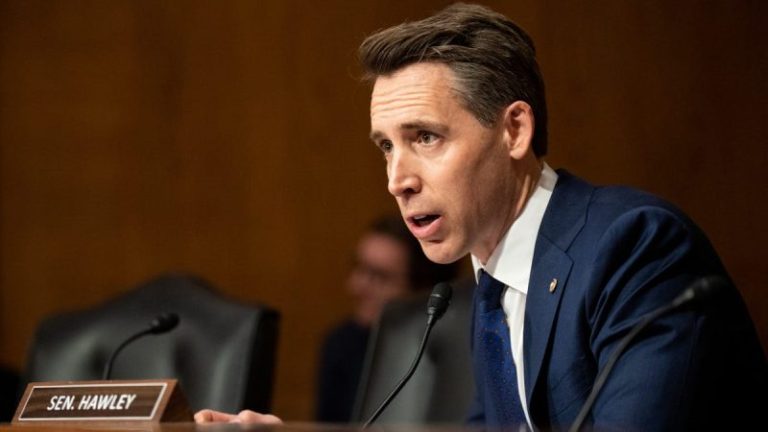
Sen. Josh Hawley, R-Mo., accused the Food and Drug Administration (FDA) of endangering women’s health, saying the agency approved another chemical abortion drug without the thorough safety review it had promised.

Hawley argued the move shows both regulatory failure and the influence of a company that refuses to define ‘woman’ in its materials.

‘This is shocking. FDA has just approved ANOTHER chemical abortion drug, when the evidence shows chemical abortion drugs are dangerous and even deadly for the mother. And of course 100% lethal to the child,’ he wrote on X on Thursday afternoon.

Hawley added, ‘FDA had promised to do a top-to-bottom safety review of the chemical abortion drug, but instead they’ve just greenlighted new versions of it for distribution. I have lost confidence in the leadership at FDA.’

Evita Solutions describes its mission as to ‘normalize abortion’ and make it ‘accessible to all.’ On its website, the company says it ‘believes that all people should have access to safe, affordable, high-quality, effective, and compassionate abortion care, regardless of their race, sex, gender, age, sexuality, income, or where they live.’

It adds, ‘We know that you can make the best choice for your body.’

According to the FDA, Evita received approval in a Sept. 30 letter obtained by Reuters.

In an interview with Fox News Digital, Hawley said the FDA’s decision was even more troubling given that its promised safety review has barely begun.

‘I just, I can’t figure out what’s happening at the FDA. I’m totally baffled by it,’ Hawley said.

Fox News Digital has reached out to the FDA and Evita Solutions for comment on the matter.

In another post, Hawley blasted the FDA for partnering with a company that ‘doesn’t even believe there is such a thing as a ‘woman.’’

Evita Solutions now joins GenBioPro in producing the generic version of Mifepristone, the abortion pill originally made by Danco Laboratories. Mifepristone blocks progesterone, a hormone needed to sustain pregnancy, and is followed by misoprostol to complete the process.

The approval comes as abortion drugs face mounting opposition from conservative lawmakers, religious organizations, and pro-life groups.

Religious groups like Inspire Investing and Alliance Defending Freedom have campaigned against the drug, while the Restoration of America Foundation (ROAF) has pressed lawmakers for accountability.

Last month, ROAF called on the Senate Finance Committee to hold Health and Human Services Secretary Robert F. Kennedy Jr. accountable at a hearing, demanding answers about the removal of safety protocols for the abortion pill Mifepristone.

In a letter obtained by Fox News Digital, ROAF warned that the rollback leaves women more vulnerable and shifts costs to taxpayers. The group said the Biden-era changes endanger women by allowing abortion pills to be prescribed via telehealth and sent through the mail.

Hawley said the FDA should restore the safeguards put in place under the Trump administration.

‘What needs to happen is the FDA needs to get in line with the president’s policy and put back into place the safety regulations President Trump had. Ditch the Biden approach and go back to President Trump’s approach,’ Hawley said.

Under the Biden administration, the FDA for the first time allowed telehealth prescribing and mail-order delivery of abortion pills. Previously, the agency required Mifepristone to be dispensed in person to screen for complications such as ectopic pregnancy.

Fox News Digital’s Jasmine Baehr and Reuters contributed to this report.

This post appeared first on FOX NEWS

A federal judge appointed by Ronald Reagan has made headlines this year for penning some of the most blistering opinions against President Donald Trump’s executive orders — including in one case where he was criticized by two Supreme Court justices for failing to adhere to the high court’s emergency guidance. 

U.S. District Judge William Young, a Reagan appointee, has spent nearly four decades on the federal bench. He most recently authored a scathing, 161-page opinion on Tuesday in a case involving Trump’s attempts to deport and crack down on pro-Palestinian protesters and activists on college campuses.

Young said the Trump administration’s actions were illegal and an unconstitutional violation of free speech protections under the First Amendment. He also used the decision to criticize, at some length, Trump’s broader conduct, which he described as ‘bullying.’

Trump, Young argued, is a president who fundamentally misunderstands the country he was elected to serve. Young described Trump as focused largely on ‘hollow bragging’ and on ‘retribution’ at all costs.

‘Yet government retribution for speech (precisely what has happened here) is directly forbidden by the First Amendment,’ Young quipped.

It’s not the first time Young has raised eyebrows for his public dressing-down of the commander in chief. 

Young in June ruled that the Trump administration acted illegally when it slashed funding for research grants at the National Institutes of Health, siding with the grant recipients and ordering the funding be restored. He also used the opinion to describe the cuts as ‘appalling’ evidence of what he said was ‘racial discrimination’ and ‘discrimination against the LGBTQ community.’

‘That’s what this is,’ Young said at the time, adding that, in his decades on the federal bench, he had ‘never seen government racial discrimination like this.’

‘I would be blind not to call it out,’ he said, adding later, ‘Have we no shame?’

The Trump administration appealed Young’s injunction to the First Circuit Court of Appeals, which declined to stay the ruling while the case continued to play out.

However, the Supreme Court voted 5-4 in August to lift the injunction — and two justices took that opportunity to chastise Young, at least to some degree, for the manner in which he went about issuing the opinion.

Justices Neil Gorsuch and Brett Kavanaugh chastised Young for failing to adhere to an emergency ruling the court granted in April, which allowed Trump to follow through with slashing tens of millions of dollars in education grants for funding so-called diversity, equity, and inclusion initiatives. 

 ‘When this Court issues a decision, it constitutes a precedent that commands respect in lower courts,’ Justices Gorsuch and Kavanaugh said in the August opinion.

Justice Ketanji Brown Jackson, in writing the dissent, appeared to sympathize with Young’s view, noting at one point: ‘Calvinball has only one rule: There are no fixed rules,’ she said. ‘We seem to have two: that one, and this administration always wins.’

Young, for his part, apologized for the error. But it appears to have done little to quell his desire to speak out on what he argued Tuesday is Trump’s apparent disregard for free speech protections. 

‘I fear President Trump believes the American people are so divided that today they will not stand up, fight for, and defend our most precious constitutional values so long as they are lulled into thinking their own personal interests are not affected,’ Young said Tuesday, before adding: ‘Is he correct?’

This post appeared first on FOX NEWS

Highlight Drill Results:

GS2508

1.05 g/t Au over 120.7 m in the Cleary Zone

GS2528

1.78 g/t Au over 61 m in the Cleary Zone

GS2531

1.53 g/t Au over 191.3 m in the Dolphin Zone

Note: The reported widths refer to drill hole intercepts; true width cannot be determined due to the uncertain geometry of mineralization.

VANCOUVER, BC, Dec. 4, 2025 /CNW/ – Freegold Ventures Limited (TSX: FVL,OTC:FGOVF) (OTCQX: FGOVF) announces results from six additional drill holes at the Golden Summit project. In 2025, a total of 62 holes were drilled, with assay results for 29 holes reported to date. Reporting assay results will continue in the coming months. The results from the 2025 and first half of 2026 drilling programs will be used to update the mineral resource estimate (MRE) published in July 2025, which reported 17.2 million ounces at 1.24 g/t Au indicated and 11.9 million ounces at 1.04 g/t Au inferred. The updated MRE and subsequent drilling in 2026 will serve as the basis for the Pre-Feasibility Study (PFS), scheduled for completion in early 2027. In addition to the extensive drill program, a range of other activities supporting the PFS are in progress. These include cultural resource assessments, paleontology, groundwater studies, power supply analysis, mammal habitat evaluations, and continuing metallurgical test work.

2025 Program Overview
The 2025 drilling program has been highly successful, focusing on the Cleary, Dolphin, and WOW zones. Efforts have centered on infill drilling to support the PFS, refining both geological and resource models, and developing a conceptual higher-grade starter pit targeting 5-10 million ounces to enhance the project’s early economic potential. Mineralization remains open both to the east and west of the current deposit.

Kristina Walcott, President and CEO of Freegold, commented, ‘The potential scale of this deposit is truly amazing. Our current exploration efforts focused on defining an area to host an attractive potential starter pit, as we continue to move the project forward through PFS’.  Further infill drilling in early 2026 is expected to refine this area further.

Metallurgical Test Work
Metallurgical testing continues to evaluate the most viable process flowsheets for Golden Summit material. Gold recovery rates exceeding 90% have been achieved using a flowsheet that includes gravity concentration, flotation to produce a cleaner concentrate, and subsequent treatment with sulphide-oxidizing techniques such as BIOX®, POX, and the Albion Process, producing feed for carbon-in-leach (CIL) for additional gold recovery.  Simple gravity and CIL are also being evaluated. This testwork is crucial to maximize the resource’s potential and will underpin the many trade-off scenarios to be evaluated during the Pre-Feasibility stage.

Current Drilling Status
Five drill rigs are currently completing the final holes of the season. Drilling will gradually wind down for a seasonal break and resume in February 2026.

Dolphin Zone: Higher-Grade Potential
Recent drilling in the Dolphin zone confirms strong, continuous mineralization, with broad intercepts of higher grades. The near-surface intercept in GS2531 indicates promising potential for higher grades, supporting the concept of a potential higher-grade starter area.

At depth, hole GS2531 shows excellent correlation with the current model, with an intercept of 1.53 g/t Au over 191.3m within the modelled higher-grade schist domain. This corridor remains open to the southwest and extends into the intrusive domain at depth. Hole GS2542, drilled 200 m south of GS2531, aims to extend the zone downdip, with assays pending.  Several other holes are planned for this potential higher-grade domain in 2026, as it may serve as the economic keel for a potential starter pit.

Hole

Depth (m)

Dip (°)

Azimuth (°)

From (m)

To (m)

Interval (m)

Au (g/t)

GS2515

602.5

-80

360

84.4

99.7

15.3

3.00

142.3

147.5

5.2

0.81

175.3

181.7

6.4

13.53

227.9

232.8

4.9

3.06

303.9

313.0

9.1

1.71

396.2

416.6

20.4

0.79

GS2531

703.2

-90

360

35.6

38.7

3.1

9.33

53.9

62.7

8.8

2.05

81.4

83.8

2.4

9.51

102.4

143.5

41.1

1.06

330.3

361.5

31.2

0.87

386.2

577.5

191.3

1.53

Note: The reported widths refer to drill hole intercepts; true width cannot be determined due to the uncertain geometry of mineralization.

GS2515, drilled in the northern Dolphin Zone, intersected higher-grade mineralization with 3.0 g/t Au over 15.3m from 84.4 m, 13.53 g/t over 6.4m from 175.3m, and 3.06 g/t Au over 4.9m from 227.9 m. Like GS2531, located 250m to the south, GS2515’s higher-grade, closer-to-surface intercepts provide further encouragement for the development of a potential starter pit. Planned shallow infill drilling in 2026 will further target these areas.

Cleary Zone: Drilling Results Continuing to demonstrate strong correlation with resource model
Infill drilling within the Cleary Zone continues to demonstrate a strong correlation with the current resource model. Hole GS2508 returned 1.05 g/t Au over 120.7m, while hole GS2528 encountered four intervals with higher grades and widths, notably 1.6 g/t Au over 57.9m and 1.78 g/t Au over 61m, as well as two narrower, higher-grade sections. Hole GS2517, designated for hydrological investigation targeted the potential higher-grade downdip extent, was abandoned due to challenging ground conditions and complications arising from the attempted installation of a vibrating Wire Piezometer (VWP). VPWs are being installed to monitor groundwater levels throughout the prospective pit area, capturing both vertical and horizontal gradients to inform analyses of possible fault-block compartmentalization and support ongoing groundwater monitoring efforts. Eight installations were completed during 2025. A follow-up vertical hole, GS2549, was drilled from the same collar as GS2517 to access the target zone; assay results are pending.

Hole

Depth (m)

Dip (°)

Azimuth (°)

From (m)

To (m)

Interval (m)

Au (g/t)

GS2508

502

-75

360

224.6

345.3

120.7

1.05

364.8

373.7

8.9

0.91

GS2517*

593.4

-75

360

477.6

546.5

68.9

0.64

GS2524

413.3

-90

0

17.4

23.5

6.1

1.34

141.7

148.4

6.7

1.12

203.3

209.4

6.1

3.36

GS2528

721.2

-90

0

86.0

102.7

16.7

0.98

325.2

328.3

3.1

35.09

416.7

474.6

57.9

1.60

514.2

544.1

29.9

0.70

559.9

620.9

61.0

1.78

670.6

672.7

2.1

35.65

Note: The reported widths refer to drill hole intercepts; true width cannot be determined due to the uncertain geometry of mineralization. *Hole GS2517 was drilled for both infill and hydrogeological purposes.

Metallurgical Update: Environmental Characterization – Non-Acid-Generating Tailings
Recent metallurgical work results have also shown more positive developments. Tailings from the locked-cycle flotation tests were analyzed for environmental characterization, including Acid Base Accounting (ABA) and Toxicity Characteristic Leaching Procedures (TCLP). Tailings from the flotation-based flowsheet have been classified as low risk for acid generation due to the removal of sulphur and the presence of significant amounts of calcium carbonate. Gravity tailings from the CIL leach scenario also showed arsenic levels below acceptable limits. More specifically, results showed the Neutralization Potential to Acid Generating Potential ratio (NPR) of the flotation tailings was significantly above what is typically classified as non-acid generating.

About Golden Summit
Since 2020, the Golden Summit project has emerged as one of North America’s largest undeveloped gold resources. The increase in resource ounces and grade is attributed to targeted drilling campaigns (over 130,000 metres from 2020 to 2024), improvements to geological models, and a better understanding of mineralization controls. Positive metallurgical test results have further advanced the project. Ongoing drilling continues to delineate zones of higher-grade mineralization, converting previously considered waste areas into potentially economically viable zones.  Continued westward expansion has led to the discovery of new, higher-grade zones.

As of July 2025, the Golden Summit resource includes an Indicated Primary Mineral Resource of 17.2 million ounces at 1.24 g/t Au and an Inferred Primary Mineral Resource of 11.9 million ounces at 1.04 g/t Au, calculated using a 0.5 g/t cut-off grade and a three-year trailing average gold price of $2,490.

Drilling will continue into 2026, with upcoming results expected to support an updated resource estimate. A significant number of assay results remain pending.

Links to the Plan Map and Section 470505E

https://freegoldventures.com/site/assets/files/6287/nr-2025-drilling-20251204.jpeg

https://freegoldventures.com/site/assets/files/6287/e479050_section_04122025.pdf

QA/QC
HQ Core is logged, photographed and cut in half using a diamond saw. One half is placed in sealed bags for preparation and subsequent geochemical analysis by MSA Laboratories in Fairbanks, Alaska or ALS’s facilities in Vancouver and Thunder Bay.  At MSALABS, the entire sample will be dried and crushed to 70% passing -2mm (CRU-CPA). A ~500g riffle split was analyzed for gold using CHRYSOS PhotonAssay (CPA-Au1). From this, 250g will be further riffle-split from the original PhotonAssay sample, pulverized, and a 0.25g sub-sample analyzed for multi-element geochemistry using MSA’s IMS230 package, which includes 4-acid digestion and ICP-MS finish. MSALABS operates under ISO/IEC 17025- and ISO 9001-certified quality systems.

Core samples were delivered to ALS’s facility in Vancouver, Canada, where each sample was crushed to 70% passing a 2 mm (Tyler 9 mesh, U.S. Std. No. 10) screen.  A representative ~500 g subsample was obtained by riffle splitting (SPL-32a) and analyzed for gold using the ALS method Au-PA01 (Photon Assay), which provides a detection range of 0.03 to 350 ppm, in Thunder Bay.

In addition, a subsample was analyzed for multi-element geochemistry using the ALS method ME-ICP61 (34-element, four-acid ICP-AES).

A QA/QC program includes laboratory and field standards inserted in every ten samples. Blanks are inserted at the start of the submittal, and at least one blank every 25 standards.

The Qualified Person for this release is Alvin Jackson, P.Geo., Vice President of Exploration and Development for Freegold, who has approved the scientific and technical disclosure in this news release.

About Freegold Ventures Limited
Freegold is a TSX-listed company focused on exploration in Alaska.

Some statements in this news release contain forward-looking information, including, without limitation, statements as to planned expenditures and exploration programs, potential mineralization and resources, exploration results, the completion of an updated NI 43-101 technical report, and any other future plans. These statements address future events and conditions and, as such, involve known and unknown risks, uncertainties, and other factors which may cause the actual results, performance, or achievements to be materially different from any future results, performance, or achievements expressed or implied by the statements. Such factors include, without limitation, the completion of planned expenditures, the ability to complete exploration programs on schedule, and the success of exploration programs. See Freegold’s Annual Information Form for the year ended December 31st, 2024, filed under Freegold’s profile at www.sedar.com, for a detailed discussion of the risk factors associated with Freegold’s operations.

SOURCE Freegold Ventures Limited

View original content to download multimedia: http://www.newswire.ca/en/releases/archive/December2025/04/c4300.html

News Provided by Canada Newswire via QuoteMedia

This post appeared first on investingnews.com

Donald Trump entered 2025 pledging to end wars and reorient U.S. foreign policy around what he repeatedly described as ‘peace through strength.’

Throughout the year, Trump has cast his diplomacy as peace-focused, telling reporters, ‘We think we have a way of getting peace,’ and publicly arguing that his record merited a Nobel Peace Prize. The U.S. State Department echoed that framing in its year-end summary of diplomatic efforts, highlighting initiatives it said aimed to ‘secure peace around the world.’

By the close of 2025, several conflicts saw impressive diplomatic progress, while others were still experiencing issues after years of hatred and violence.

Gaza (Israel–Hamas)

The most consequential diplomatic development of the year came in early October, when the Trump administration helped broker a ceasefire framework between Israel and Hamas. The agreement halted large-scale fighting after months of intense combat and enabled the release of all remaining hostages from Hamas’ Oct. 7 attack on Israel, except for the body of Ron Gvili that remains held captive by Hamas terrorists. 

The administration later cited the ceasefire as a central element of its 2025 diplomatic record. While the truce largely held through the end of the year, core issues including Gaza’s long-term governance, demilitarization and enforcement mechanisms remained unresolved, as well as rebuilding the enclave after the massive destruction and displacement. U.S. officials continued working with regional partners on next steps as fighting paused, as Israel’s Netanyahu is expected to meet with President Trump next week for talks on Gaza and other issues. 

Armenia–Azerbaijan

In August, Trump hosted the leaders of Armenia and Azerbaijan at the White House for a U.S.-brokered peace declaration aimed at addressing decades of conflict tied to Nagorno-Karabakh. The agreement focused on transit routes, economic cooperation and regional connectivity and was promoted by the administration as a historic step.

While the historic declaration was signed, implementation and deeper reconciliation is still ongoing.

Ukraine–Russia war

Ukraine remained the most ambitious and elusive peace target of Trump’s 2025 agenda. The year opened with Trump insisting the war could be ended through direct U.S. engagement and leverage over both Kyiv and Moscow. Diplomacy intensified in August, when Trump hosted Russian President Vladimir Putin in Alaska, a summit framed by the White House as a test of whether personal diplomacy could unlock a settlement.

In parallel, Ukrainian President Volodymyr Zelenskyy was received at the White House, where Trump reiterated U.S. support for Ukraine while signaling that any peace would require difficult compromises. U.S. officials explored security guarantees and economic incentives, while avoiding public commitments on borders or NATO membership.

By December, talks accelerated. Ukraine entered new rounds of U.S.-led negotiations, and Trump told reporters the sides were ‘getting close to something.’ On Christmas Zelenskyy said talks with U.S. officials had produced a 20-point plan and accompanying documents that include security guarantees involving Ukraine, the United States and European partners. He acknowledged the framework was not flawless but described it as a tangible step forward. Zelenskyy is reportedly readying a visit to meet with President Trump, possibly as soon as Sunday.

Bloomberg reported that Russia views the 20-point plan agreed to between Ukraine and the U.S. as only a starting point. According to a person close to the Kremlin, Moscow intends to seek key changes, including additional restrictions on Ukraine’s military, arguing that the proposal lacks provisions important to Russia and leaves many questions unanswered.

Democratic Republic of Congo–Rwanda

In early December, Trump hosted the signing of the Washington Accords for Peace and Prosperity between the Democratic Republic of Congo and Rwanda. The agreement reaffirmed commitments to end decades of conflict and expand economic cooperation through a regional integration framework.

By the end of the year, Reuters and the Associated Press reported that armed groups remained active in eastern Congo, underscoring the fragility of the accord, though both sides seemed to be invested in a long-term peace.

India–Pakistan

After a terrorist attack in Kashmir and retaliatory strikes raised fears of escalation, U.S. officials engaged in emergency diplomacy. Trump announced a ceasefire between the two nuclear-armed rivals, with a potentially catastrophic escalation between the two nuclear powers avoided.

Cambodia–Thailand border dispute

On the sidelines of an ASEAN summit, Trump helped mediate a ceasefire between Cambodia and Thailand following months of border clashes. 

Diplomatic efforts led by ASEAN and supported by external parties are ongoing, but fresh clashes and mutual recriminations between Thailand and Cambodia continue to challenge peace prospects and have led to large-scale displacement and civilian harm. Following the recent flare-ups, and with offers for mediation from Secretary of State Marco Rubio, a new ceasefire was agreed upon on Saturday to end weeks of fighting on the border.

Iran–Israel confrontation

Following U.S. and Israeli strikes on Iranian nuclear facilities, the Trump administration focused on containing escalation and reinforcing deterrence. No diplomatic agreement followed, but the confrontation did not expand into a broader regional war by year’s end.

Recently Israel warned that Iran might use its ballistic missile drills as a cover for a surprise attack. 

Sudan

Sudan remained one of the world’s deadliest conflicts. U.S. diplomacy has focused primarily on efforts to halt fighting and expand humanitarian access rather than brokering a comprehensive peace.

In December, Saudi Arabia and the United States presented Sudanese army chief Abdel Fattah al-Burhan with a three-point proposal aimed at ending the war, facilitating aid delivery and transferring power to civilians, according to Sudan Tribune.

Venezuela

As the year closed, Venezuela emerged as the United States’ clearest point of direct confrontation. The administration framed its posture as an extension of its broader ‘peace through strength’ doctrine, even as the risk of escalation lingered.

While the White House pursued de-escalation and negotiated arrangements elsewhere, its approach toward Nicolás Maduro relied almost entirely on pressure, not talks. Trump continued to cast Maduro as a criminal threat tied to drug trafficking, accusing him of rejecting the results of Venezuela’s last election and stealing the presidency.

With no diplomatic channel open, the U.S. maintained sweeping sanctions and stepped up efforts against cartel networks linked to the regime. There was no peace process in sight — but some opposition figures and U.S. allies argued that sustained pressure could still force political change in 2026, and ultimately hasten the end of Maduro’s rule.


This post appeared first on FOX NEWS

Sentiment for lithium prices and lithium stocks turned bullish in late 2025 as global demand surged, suggesting that a market surplus could tighten into a deficit sooner than previously expected.

Prices, which had soared through late 2022, faced volatility but rebounded in H2 on robust demand growth, inventory drawdowns and regulatory tightening.

Notably, Contemporary Amperex Technology (CATL) (SZSE:300750,HKEX:3750) halted operations at a major Chinese lithium mine, while Beijing introduced measures to prevent sales at unsustainably low prices.

The growing recognition of lithium as a critical mineral, alongside Western concerns over China’s dominance in supply chains, has strengthened the market outside of China, supporting prices and investment sentiment.

According to Benchmark Mineral Intelligence, global lithium demand in 2025 is projected to reach roughly 285,000 metric tons of lithium carbonate equivalent (LCE), up from 220,000 metric tons in 2024, driven largely by electric vehicle adoption and the rapid growth of battery energy storage systems.

Analysts anticipate continued price support as higher-cost producers exit, while demand from EVs, grid storage, and the energy transition catches up with supply constraints.

Against this backdrop, some lithium stocks are seeing share price gains. Below is a look at the lithium stocks in Canada, the US and Australia that performed the best in 2025, including updates on their news and activities.

This list of the top-gaining lithium companies is based on year-to-date as per TradingView’s stock screener. Data for all Canadian stocks, US and Australian stocks was gathered on December 30, 2025. Lithium stocks with market caps above $10 million in their respective currencies were considered.

Top Canadian lithium stocks

1. Stria Lithium (TSXV:SRA)

Year-to-date gain: 708.33 percent
Market cap: C$19.11 million
Share price: C$0.48

Stria Lithium is a Canadian exploration company focused on developing domestic lithium resources to support the growing demand for electric vehicles and lithium-ion batteries. The company’s flagship Pontax Central lithium project spans 36 square kilometers in the Eeyou Istchee James Bay region of Québec, Canada.

Cygnus Metals (TSXV:CYG,ASX:CY5,OTCQB:CYGGF) has an earn-in agreement with Stria to earn up to a 70 percent interest in Pontax Central. Cygnus completed the first stage in July 2023, acquiring a 51 percent interest by investing C$4 million in exploration and issuing over 9 million shares to Stria.

In May 2025, Stria and Cygnus agreed to extend the second stage of Cygnus’s earn-in agreement on the Pontax Central lithium project by 24 months. The second stage involves a further C$2 million in exploration spending and C$3 million in a cash payment.

Through its joint venture with Cygnus, Stria has outlined a JORC-compliant maiden inferred resource for Pontax Central of 10.1 million metric tons grading 1.04 percent lithium oxide.

In March, Stria closed a non-brokered private placement for C$650,000. The funds will be used in part for the evaluation of new mineral opportunities, according to the company.

Shares of Stria registered a year-to-date high of C$0.50 on December 30, 2025, coinciding with lithium carbonate prices rising to a near 24 month high.

2. Consolidated Lithium Metals (TSXV:CLM)

Year-to-date gain: 350 percent
Market cap: C$20.51 million
Share price: C$0.045

Consolidated Lithium Metals is focused on acquiring, developing and advancing lithium projects in Québec. Its properties — Vallée, Baillargé, Preissac-LaCorne and Duval — are located within the spodumene-rich La Corne Batholith area, near the restarted North American Lithium mine, a key area in Canada’s growing lithium sector.

Consolidated Lithium started the year with a C$300 million private placement earmarked for working capital and general corporate purposes.

In July, the company commenced a summer exploration program at the Preissac project, excavating a 100 by 30 meter trench in an area with a known lithium soil anomaly, uncovering an 18 meter wide pegmatite body at surface.

At the end of August, Consolidated Lithium signed a non-binding letter of intent with SOQUEM, a subsidiary of Investissement Québec, to acquire an option to earn up to an 80 percent interest in the Kwyjibo rare earths project.

The project is located roughly 125 kilometers northeast of Sept-Îles in Québec’s Côte-Nord region.

Under the deal, which was finalized in November, Consolidated Lithium will become operator of the project and can earn an initial 60 percent stake over five years through a combined C$23.15 million in cash payments, share issuances and project expenditures.

A significant portion of those funds will be invested in advancing Kwyjibo through stages including negotiating and finalizing an agreement with the Innu of Uashat mak Mani-Utenam, a metallurgical study and environmental permitting.

Upon completion, the partners will form a joint venture, and Consolidated will have the option to increase its interest to 80 percent by investing C$22 million over a further three years.

An uptick in lithium prices in October helped Consolidated shares rally to a year-to-date high of C$0.06 several times between October 22 and November 3.

3. Lithium South Development (TSXV:LIS)

Year-to-date gain: 330 percent
Market cap: C$48.76 million
Share price: C$0.43

Canada-based Lithium South Development currently owns 100 percent of the HMN lithium project in Argentina’s Salta and Catamarca provinces, situated in the heart of the lithium-rich Hombre Muerto Salar.

The project lies adjacent to South Korean company POSCO Holdings (NYSE:PKX,KRX:005490) billion-dollar lithium development to the east.

Exploration has defined a resource of 1.58 million metric tons of lithium carbonate equivalent (LCE) at an average grade of 736 milligrams per liter lithium, with the majority in the measured category. A preliminary economic assessment outlines the potential for a 15,600 metric ton per year lithium carbonate operation.

In January 2024, Lithium South and POSCO signed an agreement to jointly develop the HMN lithium project. Under the deal, the companies will share production 50/50 from the Norma Edith and Viamonte blocks in Salta and Catamarca, resolving overlapping claims.

As for 2025, in June Lithium South’s shares tripled to C$0.30 after it received positive news regarding its environmental impact assessment.

Lithium South shared a huge update in July that changed its trajectory; the company received a non-binding cash offer of US$62 million from POSCO to purchase its lithium portfolio, including the HMN project.

POSCO would acquire Lithium South’s wholly owned subsidiary NRG Metals Argentina, which holds the HMN project and all of Lithium South’s other concessions, namely the Sophia I–III and Hydra X–XI claims.

The 60 day due diligence period concluded in late September, and on November 12, Lithium South announced a share purchase agreement to sell its Argentinian lithium portfolio to POSCO Argentina for US$65 million.

Company shares climbed to C$0.44 the next day, while its highest close of the year, C$0.45, came on December 24.

Lithium South officially signed the deal on December 8, with its closing subject to several approvals. Following the transaction’s completion, Lithium South plans to de-list from the TSXV and begin dissolution proceedings.

In connection with the news, the company intends to buy back all common shares at a price of C$0.505.

Top US lithium stocks

1. Lithium Argentina (NYSE:LAR)

Year-to-date gain: 106.39 percent
Market cap: US$891.03 million
Share price: US$5.49

Lithium Argentina produces lithium carbonate from its Caucharí-Olaroz brine project in Argentina, developed with Ganfeng Lithium (OTC Pink:GNENF,HKEX:1772). The company was spun out from Lithium Americas in October 2023 and changed its name from Lithium Americas (Argentina) in January 2025.

In mid-April, Lithium Argentina executed a letter of intent with Ganfeng Lithium to jointly advance development across the Pozuelos-Pastos Grandes basins.

In August, Lithium Argentina agreed to form a new joint venture with Ganfeng Lithium that will combine the companies’ projects in the Pozuelos and Pastos Grandes basins of Salta, Argentina.

The joint venture will bring together Ganfeng’s wholly owned Pozuelos-Pastos Grandes (PPG) project and Lithium America’s Pastos Grandes and Sal de la Puna projects, in which Ganfeng currently holds a 15 percent and 35 percent stake respectively.

Once completed, Ganfeng will hold a 67 percent stake in the consolidated PPG project, and Lithium Argentina will hold a 33 percent interest.

In Q4, Lithium Argentina released a positive scoping study for the PPG project, confirming its scale and strong economics. The consolidated project hosts a measured and indicated resource of 15.1 million metric tons of lithium carbonate equivalent (LCE) and is designed for staged production of up to 150,000 metric tons per year over a 30 year mine life.

In the same announcement, the company confirmed receipt of an environmental approval for Stage 1 from the Secretariat of Mining and Energy of the Province of Salta.

Lithium Argentina released its Q3 results in November, noting approximately 8,300 metric tons of lithium carbonate production at its Caucharí-Olaroz operation during the quarter, with 24,000 metric tons produced between January and September.

Company shares rose to a year-to-date high of US$5.58 on December 31, in line with rising lithium carbonate prices.

2. Sociedad Química y Minera (NYSE:SQM)

Year-to-date gain: 87.39 percent
Market cap: US$19.66 billion
Share price: US$68.98

SQM is a major global lithium producer, with operations centered in Chile’s Salar de Atacama. The company extracts lithium from brine and produces lithium carbonate and hydroxide for use in batteries.

SQM is expanding production and holds interests in projects in Australia and China, including a 50/50 joint venture for the Mt Holland lithium operation in Western Australia. In July, the company produced its first battery-grade lithium hydroxide production at its Kwinana refinery in the state.

In late April, Chile’s competition watchdog approved the partnership agreement between SQM and state-owned copper giant Codelco aimed at boosting output at the Atacama salt flat. The deal, first announced in 2024, reached another milestone when it secured approval for an additional lithium quota from Chile’s nuclear energy regulator CChEN.

SQM ended the year finalizing the agreement. The partnership was formalized through SQM’s subsidiary SQM Salar absorbing Codelco’s Minera Tarar and being renamed Nova Andino Litio.

SQM reported a net income of US$404.4 million for the first nine months of 2025, rebounding from a US$524.5 million loss in the same period of 2024. Revenue totaled US$3.25 billion, down 5.9 percent year-over-year, while gross profit reached US$904.1 million.

The company’s third-quarter performance highlighted the turnaround, as SQM achieved record lithium sales volumes. It reported net income of US$178.4 million, up 36 percent from Q3 2024, and revenue of US$1.17 billion, up 8.9 percent. Gross profit for the quarter climbed 23 percent to US$345.8 million.

SQM attributed the rebound to higher realized lithium prices and improved operational efficiency, signaling a strong recovery trajectory for the remainder of 2025.

Shares of SQM reached a year-to-date high of US$71.63 on December 26.

3. Albemarle (NYSE:ALB)

Year-to-date gain: 64.29 percent
Market cap: US$16.71 billion
Share price: US$142.01

North Carolina-based Albemarle is dividing into two primary business units, one of which — the Albemarle Energy Storage unit — is focused wholly on the lithium-ion battery and energy transition markets. It includes the firm’s lithium carbonate, hydroxide and metal production.

Albemarle has a broad portfolio of lithium mines and facilities, with extraction in Chile, Australia and the US. Looking first at Chile, Albemarle produces lithium carbonate at its La Negra lithium conversion plants, which process brine from the Salar de Atacama, the country’s largest salt flat. Albemarle is aiming to implement direct lithium extraction technology at the salt flat to reduce water usage.

Albemarle’s Australian assets Wodgina hard-rock lithium mine in Western Australia, which is owned and operated by the 50/50 MARBL joint venture with Mineral Resources (ASX:MIN,OTC Pink:MALRF). Albemarle wholly owns the on-site Kemerton lithium hydroxide facility. The company’s other Australian joint venture is the Greenbushes hard-rock mine, in which it holds a 49 percent interest.

In late October, Albemarle signed an agreement to sell its 51 percent stake in its refining catalyst business, Ketjen, leaving it with 49 percent ownership, part of a broader portfolio reshaping that also includes the sale of Ketjen’s 50 percent stake in the Eurecat joint venture to partner Axens.

The combined deals are expected to generate approximately US$660 million in pre-tax cash proceeds and strengthen Albemarle’s financial flexibility. Both transactions are anticipated to close in the first half of 2026, subject to regulatory approvals.

In November, Albemarle reported third‑quarter results that reflected improved operations amid continued lithium market headwinds. The company logged net sales of roughly US$1.31 billion, a slight year‑over‑year decline driven by lower energy storage pricing.

Albemarle generated US$356 million in quarterly cash from operations, noting the company remained on track to reduce full‑year capital expenditures to around US$600 million while targeting positive free cash flow of US$300 million to US$400 million in 2025.

Shares of Albemarle marked a year-to-date high of US$150.01 on December 26, amid strengthening lithium prices.

Top Australian lithium stocks

1. Argosy Minerals (ASX:AGY)

Year-to-date gain: 310.71 percent
Market cap: AU$169.78 million
Share price: AU$0.115

Argosy Minerals is currently focused on advancing its Rincon lithium project in Salta Province, Argentina. The company also owns the Tonopah lithium project located in Nevada, US.

The Rincon project spans 2,794 hectares within the Lithium Triangle. Argosy currently holds a 77.5 percent interest in Rincon, with plans to increase to 90 percent through its earn-in agreement.

It entered production of battery-grade lithium carbonate in 2024 at Rincon’s 2,000 tonne per year demonstration facility, but has since suspended operations due to the low lithium price environment. The company continues to advance feasibility for its 12,000 tonne per year expansion.

The project currently holds a JORC total mineral resource estimate of 731,801 tonnes of lithium carbonate.

On June 27, the company announced a lithium carbonate spot sales contract with a Hong Kong-based chemical company for 60 tonnes of 99.5 percent lithium carbonate.

A few weeks later, Argosy announced that detailed engineering and feasibility works were underway to develop a 7 kilometre electric transmission line able to supply up to 40 megawatts of energy to Rincon.

In late October, Argosy released its Q3 results highlighting advanced development of its Rincon lithium project. The period saw progression in engineering and feasibility work towards its 12,000-tonne-per-year operation at Rincon being construction-ready.

During the 90 day session, the company also completed a AU$2 million placement to strengthen its balance sheet.

Argosy ended the period with cash reserves of about AU$4.6 million as of September 30, and said its development strategy continues to be supported by forecasted growth in global lithium demand.

In mid-November, Argosy signed another spot sales agreement, this time with China’s Chengdu Chemphys Chemical Industry for the sale of 16.1 tonnes of lithium carbonate produced at Rincon.

Shares of Argosy reached a 2025 high AU$0.125 on December 23, as lithium prices continued to trend higher.

2. European Lithium (ASX:EUR)

Year-to-date gain: 269.05 percent
Market cap: AU$274.7 million
Share price: AU$0.155

European Lithium is an Australia-based lithium exploration and development company. The company also holds several earlier-stage lithium exploration projects across Austria and a 100 percent interest in the Leinster lithium project in Ireland. European Lithium is also pursuing 20 year special permits for the extraction and production of lithium at the Shevchenkivske project and Dobra project in Ukraine.

In addition, European Lithium owns a significant equity stake in Critical Metals (NASDAQ:CRML), which it spun out in 2024 to operate the Wolfsberg lithium project in Austria.

Wolfsberg benefits from established road and rail infrastructure and is supported by a mining license and a broad package of exploration permits. Critical Metals has since acquired a stake in the Tanbreez rare earth project in Greenland, giving European Lithium exposure to both lithium and rare earth development in Europe.

The company sold portions of its holding in Critical Metals during 2025 to raise funds as Critical Metals’ share price rose.

In July, European Lithium raised a combined AU$5.2 million through the sale of 1 million shares, and in early October it raised a further AU$31.75 million by selling 3 million shares to a US institutional investor.

Shares of European Lithium rose to a year-to-date high of AU$0.465 on October 14. The rally coincided with European Lithium’s sale of 3.85 million Critical Metals shares in an off-market placement to a single US institutional investor at US$13 per share, raising about AU$76 million in net proceeds. Days later, it sold another 3.03 million for AU$76 million.

Following the last sale in October, the company still held 53 million shares of Critical Metals.

At the end of October, the company reported an active third quarter marked by portfolio funding, exploration progress and project development. Exploration advanced at European Lithium’s Irish lithium assets, and planning work was completed on the energy supply corridor for the Wolfsberg lithium project in Austria.

3. Global Lithium (ASX:GL1)

Year-to-date gain: 244.44 percent
Market cap: AU$167.51 million
Share price: AU$0.62

Global Lithium Resources is a lithium exploration company with multiple assets in Western Australia, including the 100 percent owned Manna lithium project in the Goldfields region and the Marble Bar lithium project in the Pilbara region.

Together, these projects host a combined indicated and inferred mineral resource of 69.6 million tonnes of ore at a grade of 1.0 percent lithium oxide, with Manna alone holding 19.4 million tonnes at 0.91 percent Li2O in ore reserves.

In an effort to focus on its core lithium projects, Global Lithium launched an initial public offering to spin out its Marble Bar gold assets into a separate company, MB Gold, in October. Global Lithium will retain the rights to the lithium tenements at Marble Bar.

The same month, Global Lithium released its Q3 results, highlighting advanced permitting and development work across its Western Australian portfolio.

Additionally, the company secured a Native Title Mining Agreement with the Kakarra Part B group and was granted a mining lease for its flagship Manna lithium project, while continuing definitive feasibility study (DFS) work aimed at improving project economics.

At Marble Bar, drilling results were released from a co-funded exploration program. Corporate activity included the sale of its investment in Kairos Minerals (ASX: KAI,OTC Pink:KAIFF) leaving Global Lithium with a cash position of AU$21 million at quarter end.

The DFS for the Manna project was completed in December, which Global Lithium said confirmed it as a long-life, economically robust development. The DFS outlines a post-tax net present value of AU$472 million and an internal rate of return of 25.7 percent, supported by competitive costs, a 14 year mine life and recently secured permitting milestones, positioning the project for a future investment decision.

Global Lithium ended the year by signing a non-binding memorandum of understanding with the Southern Ports Authority to assess export options for spodumene concentrate from the Manna lithium project. The agreement focuses on the potential shipment of up to 240,000 tonnes per year through the Port of Esperance.

Global Lithium shares reached a 2025 high of AU$0.69 on December 28.

FAQs for investing in lithium

How much lithium is on Earth?

While we don’t know how much total lithium is on Earth, the US Geological Survey estimates that global reserves of lithium stand at 22 billion metric tons. Of that, 9.2 billion MT are located in Chile, and 5.7 billion MT are in Australia.

Where is lithium mined?

Lithium is mined throughout the world, but the two countries that produce the most are Australia and Chile. Australia’s lithium comes from primarily hard-rock deposits, while Chile’s comes from lithium brines. Chile is part of the Lithium Triangle alongside Argentina and Bolivia, although those two countries have a lower annual output.

Rounding out the top five lithium-producing countries behind Australia and Chile are China, Argentina and Brazil.

What is lithium used for?

Lithium has many uses, including the lithium-ion batteries that power electric vehicles, smartphones and other tech, as well as pharmaceuticals, ceramics, grease, lubricants and heat-resistant glass. Still, it is largely the electric vehicle industry that is boosting demand.

How to invest in lithium?

Those looking to get into the lithium market have many options when it comes to how to invest in lithium.

Lithium stocks like those mentioned above could be a good option for investors interested in the space. If you’re looking to diversify instead of focusing on one stock, there is the Global X Lithium & Battery Tech ETF (NYSE:LIT), an exchange-traded fund (ETF) focused on the metal. Experienced investors can also look at lithium futures.

Unlike many commodities, investors cannot physically hold lithium due to its dangerous properties.

How to buy lithium stocks?

Through the use of a broker or an investing service such as an app, investors can purchase lithium stocks and ETFs that match their investing outlook.

Before buying a lithium stock, potential investors should take time to research the companies they’re considering; they should also decide how many shares will be purchased, and what price they are willing to pay. With many options on the market, it’s critical to complete due diligence before making any investment decisions.

It’s also important for investors to keep their goals in mind when choosing their investing method. There are many factors to consider when choosing a broker, as well as when looking at investing apps — a few of these include the broker or app’s reputation, their fee structure and investment style.

Securities Disclosure: I, Georgia Williams, hold no direct investment interest in any company mentioned in this article.


This post appeared first on investingnews.com

Gold’s momentum has price predictions heading upwards of US$4,000 per ounce by the year’s end.

Rising by more than 44 percent since the start of the year, in 2025 the price of gold has hit highs once unthinkable. Aggressive central bank buying, US Federal Reserve rate decisions, ongoing geopolitical conflicts and US trade policy uncertainty have weakened the US dollar and escalated federal debt concerns. The resulting increase in demand for safe-haven assets is pushing investors toward gold, from physical bars to gold exchange-traded funds.

This week, the US government shutdown drove the price of gold even higher, approaching the US$3,900 level as it reached US$3,896.30 early in the morning of Wednesday (October 1) before pulling back.

Let’s take a look at what’s driving the gold price in the final stretch of 2025.

US monetary policy and dollar weakness

Gold traditionally has had an inverse relationship to the dollar, and has benefited greatly this year as the dollar has weakened. Many agree that this trend is set to continue feeding the gold price in the months ahead.

While China has been the focal point of gold buying this year, the World Gold Council’s Joe Cavatoni said western investors looking for risk diversification are helping to drive the latest surge in the gold price.

In his view, the Fed has how begun signaling to investors that economic deterioration — and a possible move into a stagflationary environment — is imminent.

Global conflict stoking central bank buying

Strong central bank buying is another key catalyst for gold’s record price streak.

Although the rate at which the world’s central banks are scooping up the precious metal has slowed somewhat in 2025 compared to the last few years, governments are still set to be net buyers this year.

For a fourth year in a row, Cavatoni sees central banks continuing to buy gold despite higher prices, although he noted that they may make price-sensitive adjustments to buy more strategically. According to the World Gold Council’s latest annual central bank survey, conducted in June, 95 percent of the 73 respondents expect to increase their gold holdings over the next 12 months. At the same time, 73 percent expect to lighten their US dollar reserves.

Countries are building up their strategic reserves of gold as security. Just look at the top two buyers of gold recently: China and Poland. Both are at the center of rapidly escalating geopolitical conflicts.

China has responded to escalating US trade tensions by taking a defensive stance economically, and that has included significantly boosting its gold reserves by 36 metric tons over nine months as of this past July.

Poland is the largest net purchaser of gold this year at 67 metric tons. No doubt, the European nation views the metal as a critical safeguard against escalating hostilities with neighboring Russia.

“Everybody has to build up their gold reserves, because the road that all these countries are on is the road of increasing global stress,” explained Chambers, adding that global leaders understand that “paper is no good when you’re fighting a war.’ This is driving the gold price higher as demand comes up against supply.

“There’s only 3,200 tonnes of it mined every year,” he said, “and the price is only going to go one way.”

Is gold heading to US$4,000 in 2025?

However, both Gareth Soloway of VerifiedInvesting.com, and Steve Barton of In It To Win It said gold is likely to trade sideways and even pull back to as low as US$3,500 before making another go at the US$4,000 target.

So will it get there this year?

Nothing is for certain, but there are a few signals gold investors should watch. The World Gold Council’s Cavatoni said he’s keeping a close eye on what the money markets are doing as interest rates start to move, as well as investor sentiment in western markets, the US in particular.

“Pay attention to how people are responding to that risk and uncertainty that we talked to, and economic conditions that are getting clearer, and I think you’ll find that this case for gold is well supporting the price predictions you’re hearing from analysts in the markets,’ he suggested.

Securities Disclosure: I, Melissa Pistilli, hold no direct investment interest in any company mentioned in this article.

This post appeared first on investingnews.com
Syntheia Corp. (CSE: SYAI) (‘Syntheia’ or the ‘Company’) (Syntheia.ai), is pleased to announce that, further to its press release of September 25, 2025, it has completed the previously announced acquisition (the ‘Transaction’) of certain assets of Call Centre Guys Inc. (‘CCG’). As consideration for the Transaction, the Company paid $750,000 cash and issued an aggregate of 10,000,000 common shares of the Company (each a ‘Common Share’) to Imran Butt, the principal of CCG. The Common Shares are subject to a statutory four-month and one day resale restriction and are subject to an 18-month voluntary escrow on a 25% release schedule with the first escrow release on closing of the Transaction and the following three releases every 6 months thereafter. Further, the Company issued a 10% secured promissory note as previously disclosed in the press release of the Company dated September 25, 2025.

‘With the acquisition of the CCG call center assets combined with our conversational AI platform, we expect savings and efficiencies which will significantly increase the customer experience,’ commented Tony Di Benedetto, CEO of Syntheia. ‘We are excited to continue our industry wide roll out across North America deploying our conversational AI platform in call center acquisitions. We look to enhance revenue growth, realize savings, and increase customer satisfaction, while creating consistent accretive shareholder value,’ said Tony Di Benedetto, Chief Executive Officer.

In connection with the Transaction, Imran Butt, the principal of CCG, has joined the board of directors of the Company and has been appointed as President of the Company replacing Richard Buzbuzian as President. Mr. Buzbuzian will continue to serve as a director of the Company and Capital Markets advisor for the Company.

Imran is a senior business executive in the customer experience industry whose career spans over two decades of building, scaling, and transforming contact centers. He launched Matrix 5 Inc. in 2002, and within months became a leading industry partner which later evolved into Voysus Group Inc., serving major communications and media companies among other industries. After successfully exiting Voysus in 2012, Imran founded CCG in 2017, blending people-first values with advanced technology to deliver solutions supporting international organizations including major telecommunications companies, cosmetic brands, tech services firms, IT service providers and a Big Four accounting firm.

‘With over 20+ years in the call center space, I look forward to bringing my operational experience and industry contacts to my new role as President of Syntheia Corp. We have a significant opportunity in the call center market enhance the customer experience with AI, which Syntheia has now developed. It is a very exciting time at Syntheia!’ commented Imran Butt, President Syntheia Corp.

About Syntheia

Syntheia is an artificial intelligence technology company which is developing and commercializing proprietary algorithms to deliver human-like conversations and deploying our technology to enhance customer satisfaction while dramatically reducing turnover and traditional staffing issues.

For further information, please contact:

Tony Di Benedetto
Chief Executive Officer
Tel: (844) 796-8434

Cautionary Statement

Neither the Canadian Securities Exchange nor its Market Regulator (as that term is defined in the policies of the Canadian Securities Exchange) accepts responsibility for the adequacy or accuracy of this news release.

This news release contains certain ‘forward-looking information’ within the meaning of applicable securities law. Forward-looking information is frequently characterized by words such as ‘plan’, ‘expect’, ‘project’, ‘intend’, ‘believe’, ‘anticipate’, ‘estimate’, ‘may’, ‘will’, ‘would’, ‘potential’, ‘proposed’ and other similar words, or statements that certain events or conditions ‘may’ or ‘will’ occur. These statements are only predictions. Forward-looking information is based on the opinions and estimates of management at the date the information is provided and is subject to a variety of risks and uncertainties and other factors that could cause actual events or results to differ materially from those projected in the forward-looking information. Forward-looking statements in this news release includes, but are not limited to, the synergies derived from the acquisition of the assets in the Transaction. Readers are cautioned that forward‐looking information is not based on historical facts but instead reflects the Company’s management’s expectations, estimates or projections concerning the business of the Company’s future results or events based on the opinions, assumptions and estimates of management considered reasonable at the date the statements are made.

Although the Company believes that the expectations reflected in such forward‐looking information are reasonable, such information involves risks and uncertainties, and undue reliance should not be placed on such information, as unknown or unpredictable factors could have material adverse effects on future results, performance or achievements. Please refer to the Company’s listing statement available on SEDAR+ for a list of risks and key factors that could cause actual results to differ materially from those projected in the forward‐looking information. Should one or more of these risks or uncertainties materialize, or should assumptions underlying the forward‐looking information prove incorrect, actual results may vary materially from those described herein as intended, planned, anticipated, believed, estimated or expected.

Although the Company has attempted to identify important risks, uncertainties and factors which could cause actual results to differ materially, there may be others that cause results not to be as anticipated, estimated or intended. The Company undertakes no obligation to update forward-looking information if circumstances or management’s estimates or opinions should change unless required by law. The reader is cautioned not to place undue reliance on forward-looking information.

The securities of the Company have not been and will not be registered under the United States Securities Act of 1933, as amended and may not be offered or sold in the United States absent registration or an applicable exemption from the registration requirement. This press release shall not constitute an offer to sell or the solicitation of an offer to buy nor shall there be any sale of the securities in any jurisdiction in which such offer, solicitation or sale would be unlawful.

To view the source version of this press release, please visit https://www.newsfilecorp.com/release/268810

News Provided by Newsfile via QuoteMedia

This post appeared first on investingnews.com

Speaker Mike Johnson, R-La., is accusing Senate Minority Leader Chuck Schumer, D-N.Y., of refusing to vote to end the government shutdown in order to kowtow to his left-wing base.

Johnson told Fox News Digital in a sit-down interview that Democrats’ refusal to budge on their current position came up in an hour-long call he held with President Donald Trump on Wednesday afternoon.

‘[Trump is] very bothered by that, that Chuck Schumer would do this, Democrats would do this, because we haven’t,’ the top House Republican said.

He noted that Democrats had voted on a similar measure to what Republicans are offering on 13 different occasions under former President Joe Biden.

‘And even when the Republicans were in the minority, we did the right thing to keep the government open. And we fully expected that Schumer would do that again, as he always has, but not this time,’ Johnson said.

‘This is a selfish political calculation he’s made, that he’s got to prove to the far left that he’s going to fight Trump or something. So we talked about our frustration with that.’

He said Trump appeared ‘happy’ that Republicans remain unified in their federal funding stance but was concerned about the effects of a prolonged shutdown on everyday Americans.

‘But the reason we’re happy about that is because we know we’re doing the right thing for the American people,’ Johnson said. ‘And Chuck Schumer and the Democrats are demonstrating that they are willing to inflict this pain upon the people for their own political purposes. And I think that is a tough thing for them to get over.’

He said of a meeting between congressional leaders and Trump that occurred on Monday, ‘I tried my best in the White House, and he just is in no mood to have a real discussion about these issues. So we are where we are.’

Senate Democrats have now rejected a GOP-led plan to fund federal agencies through Nov. 21 three times.

The measure is called a continuing resolution (CR) and is aimed at buying House and Senate negotiators more time to reach a deal on fiscal year (FY) 2026 federal funding priorities.

The CR would keep current federal funding levels roughly flat while adding an extra $88 million in security spending for lawmakers, the White House, and the judicial branch.

Democrats, furious at being largely sidelined in funding discussions, have signaled they would not accept any bill that does not also extend Obamacare tax subsidies that were enhanced during the COVID-19 pandemic. Those enhanced subsidies are due to expire at the end of this year.

But Johnson, who called the Obamacare subsidies an ‘end-of-year issue,’ argued that the bill was a simple extension of federal funding, leaving Republicans with no realistic path for concessions.

‘If it was not clean and simple, if I had loaded it up with a bunch of Republican partisan priorities, then there would be something for us to negotiate. I could take those things off and offer it again. I sent it over with nothing attached at all,’ he said.

‘It quite literally is just buying us time to finish the appropriations process, which was being done in a bipartisan manner. So I don’t have anything to give, there’s nothing I can give. And Chuck Schumer has made such outrageous counter-demands and proposals that he’s the one that has to come to his senses.’

He was referring to Democrats’ counter-proposal for a CR, which would have repealed the Medicaid reforms made in Republicans’ One Big, Beautiful Bill, while restoring funding for NPR and PBS that was cut by the Trump administration earlier this year.

Fox News Digital reached out to Schumer’s office for a response but did not hear back by press time.

This post appeared first on FOX NEWS