Author

admin

Browsing

Investor Insight

Centurion Minerals offers investors an early-stage entry point into a strategically located gold exploration company positioned within one of North America’s most prolific and active mining districts. With a restructured corporate foundation, and a highly experienced geological and corporate finance team, the company is primed for value-creating discoveries.

investingnews.com

Overview

Centurion Minerals (TSXV:CTN) is a Canadian exploration company focused on the acquisition, exploration and development of precious metals projects in the Americas.

The company’s strategy is centered on advancing high-quality, early-stage gold assets through systematic exploration to define drill-ready targets and unlock the discovery potential inherent in its three-part claim package: the Newman, Noseworthy and Hepburn properties. Situated near major operations and new discoveries, these claims benefit from excellent infrastructure, year-round road access and proximity to proven mineralized structural corridors. Centurion intends to increase shareholder value through targeted geophysics, ground truthing and drilling programs designed to reveal new high-grade zones, as well as through potential future acquisitions of complementary gold assets across the Americas.

Backed by a leadership team with decades of exploration, geology, corporate finance and project development experience, Centurion is positioned to capitalize on strong gold market fundamentals and renewed investor interest in junior exploration companies. With a low current valuation and advancing work program, the company provides leverage to both exploration success and broader trends in the gold sector.

Company Highlights

  • Highly prospective gold project in a world-class district located in the central north Abitibi greenstone belt, adjacent to major deposits and producing mines including Hecla Mining’s (NYSE:HL) Casa Berardi mine and Agnico Eagle’s (TSX:AEM) Detour Lake operations.
  • Exceptional closeology advantage, with its Casa Berardi West project situated just 12 km from AMEX Exploration’s (TSXV:AMX) 1.6 Moz “Perron” discovery and along the same structural corridors that have produced multi-million-ounce deposits.
  • Significant historic drilling across the three claim groups, including results up to 38 g/t gold and multiple intervals indicating gold-bearing iron formations and shear zones.
  • Clear exploration strategy including historic data compilation, geophysical surveys, target generation and a planned program to define new mineralized zones.
  • Experienced management and technical team with decades of experience in mineral exploration, and international corporate finance, enhances the potential of uncovering additional exploration opportunities.
  • Low market capitalization and recently reactivated corporate structure, offering investors a low entry point ahead of meaningful upside catalysts.

Key Project

Casa Berardi West Gold Project

The Casa Berardi West project is Centurion’s flagship gold exploration asset, encompassing approximately 6,732 hectares across three contiguous claim groups – Newman, Noseworthy and Hepburn – located 66 km northeast of Cochrane, Ontario. The project sits along structural corridors that host some of the region’s most significant deposits, including Hecla Mining’s Casa Berardi mine (3 Moz past production, plus 4 Moz in reserves and resources), Agnico Eagle’s Detour Lake mine (15 Moz reserve, producing ~659,000 oz of gold per year ), and AMEX Exploration’s Perron discovery (1.6 Moz measured and indicated resource at 6.14 g/t gold).

Location of the three claim groups at Casa Berardi West

Geological Setting & Closeology Advantage

The project is situated within the central north Abitibi Subprovince, an Archean greenstone belt known globally for its prolific endowment of gold and base metals. The claims lie adjacent to geological features associated with multiple major deposits – iron formations, shear zones and VMS trends – creating strong analogues to high-grade gold mines such as the Musselwhite mine in Northern Ontario.

This “closeology” positioning significantly enhances the potential for Centurion’s ground to host similar mineralization.

Historic Results & Target Areas

Historic exploration across the Casa Berardi West project – spanning more than 70 RC and diamond drill holes – has already confirmed the presence of gold-bearing structures and favorable host rocks. Notably, previous work returned multiple samples above 1 g/t gold, including a standout result of 38 g/t gold, demonstrating strong mineralization potential across the claim area.

Significant historic drill results at Newman target

Across the three claim groups, drilling and geophysical surveys have identified key geological features associated with major deposits in the region, including iron formations, shear zones and sulphidized horizons. Several zones of interest remain untested or underexplored, particularly along structural trends that extend from nearby high-grade gold and VMS systems such as the Perron and Normetal areas.

These findings provide Centurion with multiple high-priority target areas for follow-up exploration, forming the foundation for its next phase of geophysical work and upcoming drill targeting.

Management Team

David Tafel – Director, President and CEO

David Tafel brings over 30 years of experience in corporate structuring, strategic planning, financing and executive management across multiple public and private resource companies. He has raised several hundred million dollars for ventures in mining, technology and life sciences, and previously managed private investment funds at Canada’s largest independent securities firm.

Jeremy Wright – Director and CFO

A seasoned financial executive with more than 20 years of experience, Jeremy Wright serves as president & CEO of Seatrend Strategy Group and has held CFO roles across numerous public companies in the resource and technology sectors. His background includes financial management, negotiations and environmental economics, supported by extensive board leadership experience.

Joseph Del Campo – Director

Joseph Del Campo has served as CFO and Interim CEO across several mining companies, including Unigold and First Nickel. With decades of corporate financial leadership and board experience, he contributes deep governance, audit and operational oversight expertise to Centurion’s board.

Mike Kilbourne – Geological Consultant

A veteran geologist with 40+ years of industry experience, Mike Kilbourne has managed over 100,000 metres of drilling across North America and Mexico, worked as a production geologist in multiple mining environments, and generated over 700 exploration targets for private and public companies.

Jamie Lavigne – Geological Consultant

Jamie Lavigne is a senior exploration geologist with more than 30 years of experience in base and precious metals. He has held senior technical roles with major mining companies and specializes in advanced exploration, resource delineation and geological modeling across global mineral belts.

This post appeared first on investingnews.com

Graphite One (TSXV:GPH,OTCQX:GPHOF) announced on November 13 that it has identified rare earth elements (REEs) at its Graphite Creek deposit, located north of Nome, Alaska.

“The presence of two Defense Production Act Title III materials — graphite and REEs — in a single deposit further underscores Graphite Creek’s position as a truly generational deposit,” said President Anthony Houston.

“Given the robust economics of our planned complete graphite materials supply chain, the presence of Rare Earths at Graphite Creek suggests that recovery as a by-product to our graphite production will maximize the value.”

Geochemical analysis of drillcore samples reveals elevated levels of heavy rare earths and all five principal permanent magnet REEs: neodymium, praseodymium, dysprosium, terbium and samarium.

Testwork is ongoing at the University of Alaska Fairbanks’ Advanced Instrumentation Laboratory, and at Activation Laboratories. Graphite One is also collaborating with a US Department of Energy national lab on REE extraction.

REEs are essential to modern technologies, from permanent magnets in wind turbines and electric vehicles, to high-performance fiber optics, lasers and defense systems.

China, which dominates global production of both magnet REEs and graphite, imposed export limits last year and has continued to expand these restrictions in 2025.

Graphite One is advancing a US-based graphite supply chain, including transport from Nome to an advanced graphite and battery materials plant in Warren, Ohio, with a co-located recycling facility to reclaim graphite and other materials.

Graphite Creek has received support through a US$37.5 million Defense Production Act Title III grant, as well as non-binding letters of interest totaling US$895 million from EXIM Bank.

Securities Disclosure: I, Giann Liguid, hold no direct investment interest in any company mentioned in this article.

This post appeared first on investingnews.com

The State Department told Fox News that it is aware of reports Wednesday that two American tourists were attacked in a popular European seaside destination that local media and police said left one person dead and another wounded.

The alleged attack happened early Wednesday in Cascais, Portugal, a coastal resort town about 20 miles west of Lisbon. 

Video taken by Reuters showed blood stains on a sidewalk, where a stabbing had taken place during an attempted robbery, according to media reports.

A State Department spokesperson told Fox News Digital that the agency takes seriously its commitment to protect U.S. citizens abroad and stands ready to provide consular assistance. 

‘One of the young men died at the scene and the other suffered injuries to his face and arms and was taken to [a] hospital,’ the Portugal Resident newspaper cited the Lisbon Metropolitan Command police force as saying.

The attack was carried out by three suspects who fled the scene in a vehicle, the newspaper added.

Further details about the incident and the identities of the victims were not immediately available. 

This is a developing story. Please check back for updates. 

Fox News’ Nick Kalman contributed to this report.

This post appeared first on FOX NEWS

Here’s a quick recap of the crypto landscape for Monday (January 5) as of 9:00 p.m. UTC.

Get the latest insights on Bitcoin, Ether and altcoins, along with a round-up of key cryptocurrency market news.

Bitcoin and Ether price update

Bitcoin (BTC) was priced at US$94,127.01, up by 3.2 percent over 24 hours.

Bitcoin price performance, January 6, 2025.

Chart via TradingView.

Bitcoin started Monday strong, rising above US$92,000 in early trading before briefly breaking US$94,600, signaling a potential shift in near-term momentum after a bruising finish to 2025.

Research firm 10X said the move reflects a return to more normalized trading volumes and early signs of renewed institutional positioning at the start of the year. The firm notes that Bitcoin is holding above key moving averages, with the 21 day line emerging as a critical support level for maintaining upside bias.

It added that the shift suggests growing expectations for a push toward the US$100,000 level. The rebound follows three consecutive monthly declines — a historically rare pattern that has often preceded January recoveries.

“The strength across crypto and traditional safe havens reflects a rebalancing phase driven by geopolitical risk and liquidity positioning,” said Lacie Zhang, a research analyst at Bitget Wallet.

“In this setup, Bitcoin has room to push toward US$105,000, while Ethereum could test US$3,600, as traders balance inflation risks with crypto’s deflationary characteristics and long-term adoption narrative.’

Zhang said DeFi is currently driving significant growth, with protocols such as Uniswap (UNI) and Aave (AAVE) seeing benefits from improved governance, new revenue-sharing frameworks and institutional investor involvement.

“For large-cap altcoins, XRP and Solana stand out: XRP’s role in cross-border payments and improving regulatory clarity, combined with ETF inflows, could support price ranges of US$5 – US$10, while Solana’s high-throughput ecosystem and network expansion position it for US$500 – US$800 over the next growth phase.

“The renewed surge in memecoin activity reflects improving retail risk appetite,” she added. “It’s not a long-term thesis, but often a precursor to liquidity rotating into higher-quality, utility-driven altcoins as the cycle matures.”

Ether (ETH) was priced at US$3,239.82, up by 3.2 percent over the last 24 hours.

Altcoin price update

  • XRP (XRP) was priced at US$2.31, up by 10.4 percent over 24 hours.
  • Solana (SOL) was trading at US$137.92, up by three percent over 24 hours.

Today’s crypto news to know

Crypto investment products pull in US$47.2 billion in 2025

Global crypto exchange-traded products attracted US$47.2 billion in net inflows in 2025, falling just short of the prior year’s record despite a noticeable slowdown in Bitcoin demand, according to CoinShares.

Bitcoin-focused products added US$26.9 billion, a sharp drop from 2024 levels, as price weakness dampened inflows and modest interest emerged in short-bitcoin vehicles. The cooling in Bitcoin was offset by a surge into select altcoins, led by Ethereum products, which posted US$12.7 billion in inflows.

Meanwhile, XRP and Solana funds followed closely as each recorded multibillion-dollar inflows and triple-digit percentage growth year over year.

Japan signals crypto integration across traditional markets

Satsuki Katayama, Japan’s finance minister, has signaled stronger government backing for integrating digital assets into the country’s stock and commodities exchanges.

Speaking at the Tokyo Stock Exchange, she emphasized the role of exchanges in expanding public access to blockchain-based assets and modern investment tools. She pointed to the US experience with crypto-linked exchange-traded funds (ETFs) as a reference point, even as Japan currently lacks domestically listed crypto ETFs.

Katayama described 2026 as a “digital year,” pledging policy support for exchanges adopting advanced trading technologies. The remarks build on regulatory reforms already underway, including discussions on allowing banks to hold crypto assets and the approval of Japan’s first yen-pegged stablecoin.

Bitget’s tokenized stock milestone and TradFi launch

Bitget’s new Universal Exchange vision has reached two major milestones that signal a major shift in how digital and traditional assets are traded in one place. Bitget announced last week that its tokenized stock volume surpassed US$1 billion, with 95 percent of that total volume occurring in December alone.

Building on that momentum, and following a successful private beta with over 80,000 users, today Bitget officially opened its TradFi trading suite to the public, allowing customers access to 79 different instruments across forex, metals, indices and commodities. These products are traded as contracts for difference and are settled entirely in USDT, meaning crypto-native traders can execute macro strategies without leaving the platform or converting to fiat currency.

During the test phase, XAU/USD recorded over US$100 million in single-day trading volume, one of the highest daily figures observed during the beta.

“Traders want the flexibility to choose between assets in a unified ecosystem,” said Chen.

“They want the freedom to move between crypto and traditional markets as conditions change. TradFi going public is about giving them that accessibility in one place, without friction.”

The move signals a broader shift in how exchanges are evolving, not just as venues for speculation, but as comprehensive gateways to global markets under a unified trading experience.

Securities Disclosure: I, Meagen Seatter, hold no direct investment interest in any company mentioned in this article.

Securities Disclosure: I, Giann Liguid, hold no direct investment interest in any company mentioned in this article.

This post appeared first on investingnews.com

Standard Uranium Ltd. (TSXV: STND,OTC:STTDF) (OTCQB: STTDF) (FSE: 9SU0) (‘Standard Uranium’ or the ‘Company’) is pleased to announce that it has closed the final tranche (the ‘Final Tranche’) of its non-brokered private placement (the ‘Offering’) for gross proceeds of $1,513,500. When combined with earlier tranches, the Company has raised gross proceeds of $3,337,400 in connection with the Offering through the issuance of 15,598,750 non-flow-through units (each, an ‘NFT Unit’) at a price of $0.08 per NFT Unit and 20,895,000 flow-through units (each, an ‘FT Unit’) at a price of $0.10 per FT Unit.

The Company anticipates the net proceeds raised from the Offering will be used for the exploration of the Company’s Saskatchewan uranium projects and for working capital purposes.

In connection with closing of the Final Tranche, the Company issued 15,135,000 FT Units at a price of $0.10 per FT Unit. Each FT Unit consists of one common share of the Company issued as a flow-through share within the meaning of the Income Tax Act (Canada), and one-half of one common share purchase warrant (each whole warrant, a ‘Warrant‘). Each Warrant entitles the holder to purchase one additional common share of the Company at a price of $0.15 at any time on or before October 28, 2027.

In connection with closing of the Final Tranche, the Company paid finders’ fees of $69,360 and issued 693,600 non-transferable share purchase warrants (each, a ‘Finders’ Warrant‘) to certain arms-length parties who assisted in introducing subscribers to the Offering. Each Finders’ Warrant is exercisable on the same terms as the Warrants. All securities issued pursuant to the Final Tranche, and any shares that may be issuable on exercise of any Warrants or Finders’ Warrants, are subject to a statutory hold period until March 1, 2026.

The Company also clarifies that in connection with completion of the first tranche of the Offering on September 16, 2025, a finders’ fee in the amount of $3,000 and 37,500 Finders’ Warrants was paid to Alpha Bronze, LLC, an arms-length party. In connection with completion of the second tranche of the Offering on September 24, 2025, a finders’ fee in the amount of $3,000 and 30,000 Finders’ Warrants was paid to 2506153 Alberta Inc., a company controlled by David Lin, an arms-length party. For further information concerning the first and second tranche of the Offering, readers are encouraged to review the news releases issued by the Company on September 16, 2025 and September 24, 2025.

About Standard Uranium (TSXV: STND,OTC:STTDF)

We find the fuel to power a clean energy future

Standard Uranium is a uranium exploration company and emerging project generator poised for discovery in the world’s richest uranium district. The Company holds interest in over 233,455 acres (94,476 hectares) in the world-class Athabasca Basin in Saskatchewan, Canada. Since its establishment, Standard Uranium has focused on the identification, acquisition, and exploration of Athabasca-style uranium targets with a view to discovery and future development.

Standard Uranium’s Davidson River Project, in the southwest part of the Athabasca Basin, Saskatchewan, comprises ten mineral claims over 30,737 hectares. Davidson River is highly prospective for basement-hosted uranium deposits due to its location along trend from recent high-grade uranium discoveries. However, owing to the large project size with multiple targets, it remains broadly under-tested by drilling. Recent intersections of wide, structurally deformed and strongly altered shear zones provide significant confidence in the exploration model and future success is expected.

Standard Uranium’s eastern Athabasca projects comprise over 42,384 hectares of prospective land holdings. The eastern basin projects are highly prospective for unconformity related and/or basement hosted uranium deposits based on historical uranium occurrences, recently identified geophysical anomalies, and location along trend from several high-grade uranium discoveries.

Standard Uranium’s Sun Dog project, in the northwest part of the Athabasca Basin, Saskatchewan, is comprised of nine mineral claims over 19,603 hectares. The Sun Dog project is highly prospective for basement and unconformity hosted uranium deposits yet remains largely untested by sufficient drilling despite its location proximal to uranium discoveries in the area.

For further information contact:
Jon Bey, Chief Executive Officer, and Chairman
Suite 3123, 595 Burrard Street
Vancouver, British Columbia, V7X 1J1
Tel: 1 (306) 850-6699
E-mail: info@standarduranium.ca

Cautionary Statement Regarding Forward-Looking Statements

This news release contains ‘forward-looking statements’ or ‘forward-looking information’ (collectively, ‘forward-looking statements’) within the meaning of applicable securities legislation. All statements, other than statements of historical fact, are forward-looking statements and are based on expectations, estimates and projections as of the date of this news release. Forward-looking statements include, but are not limited to, statements regarding the intended use of proceeds from the Offering.

Forward-looking statements are subject to a variety of known and unknown risks, uncertainties and other factors that could cause actual events or results to differ from those expressed or implied by forward-looking statements contained herein. There can be no assurance that such statements will prove to be accurate, as actual results and future events could differ materially from those anticipated in such statements. Certain important factors that could cause actual results, performance or achievements to differ materially from those in the forward-looking statements are highlighted in the ‘Risks and Uncertainties’ in the Company’s management discussion and analysis for the fiscal year ended April 30, 2025.

Forward-looking statements are based upon a number of estimates and assumptions that, while considered reasonable by the Company at this time, are inherently subject to significant business, economic and competitive uncertainties and contingencies that may cause the Company’s actual financial results, performance, or achievements to be materially different from those expressed or implied herein. Some of the material factors or assumptions used to develop forward-looking statements include, without limitation: the future price of uranium; anticipated costs and the Company’s ability to raise additional capital if and when necessary; volatility in the market price of the Company’s securities; future sales of the Company’s securities; the Company’s ability to carry on exploration and development activities; the success of exploration, development and operations activities; the timing and results of drilling programs; the discovery of mineral resources on the Company’s mineral properties; the costs of operating and exploration expenditures; the presence of laws and regulations that may impose restrictions on mining; employee relations; relationships with and claims by local communities and indigenous populations; availability of increasing costs associated with mining inputs and labour; the speculative nature of mineral exploration and development (including the risks of obtaining necessary licenses, permits and approvals from government authorities); uncertainties related to title to mineral properties; assessments by taxation authorities; fluctuations in general macroeconomic conditions.

The forward-looking statements contained in this news release are expressly qualified by this cautionary statement. Any forward-looking statements and the assumptions made with respect thereto are made as of the date of this news release and, accordingly, are subject to change after such date. The Company disclaims any obligation to update any forward-looking statements, whether as a result of new information, future events or otherwise, except as may be required by applicable securities laws. There can be no assurance that forward-looking statements will prove to be accurate, as actual results and future events could differ materially from those anticipated in such statements. Accordingly, readers should not place undue reliance on forward-looking statements.

Neither the TSX-V nor its Regulation Services Provider (as that term is defined in the policies of the TSX-V) accepts responsibility for the adequacy or accuracy of this release.

NOT FOR DISTRIBUTION TO UNITED STATES SERVICES OR FOR DISSEMINATION IN THE UNITED STATES

To view the source version of this press release, please visit https://www.newsfilecorp.com/release/272329

News Provided by Newsfile via QuoteMedia

This post appeared first on investingnews.com

Iranian Foreign Minister Abbas Araghchi rejected claims of mass casualties amid a recent surge in protests within the Islamic country and blamed any killings that have taken place on an ‘Israeli plot’ intended to create a large number of casualties. 

The claim came during a wide-ranging interview on Fox News’ ‘Special Report with Brett Baier’ Wednesday evening, during which Araghchi was told estimates have indicated the death toll in his country could be anywhere between 2,500 to more than 12,000 protesters. But, according to the top Iranian official, the number is in the hundreds. 

‘When terrorist elements led from outside, entered this, you know, protests and started to shoot, you know, police forces, police officers and security forces. And there were terrorist cells. They came in, they used Daesh-style terrorist operations. They got police officers, burned them alive, they beheaded them, and they started shooting at police officers and also to the people. So as a result, for three days, we had, in fact, fighting against terrorists, and not with the protesters,’ Araghchi said. ‘It was completely a different story.’

According to Araghchi, these rogue, terrorist-like actors he spoke of started shooting at civilians for ‘one reason,’ which he said was to draw the United States into the conflict. 

‘They wanted to increase the number of deaths. Why? Because President Trump has said that if there are killings, he would intervene. And they wanted to drag him into this conflict,’ the Iranian Foreign Minister continued. ‘And that was exactly an Israeli plot. They started to increase the number of deaths by killing ordinary people, by killing police officers, by starting a kind of, you know, fighting inside the different cities.’

Iran has seen widespread unrest since the last week of December, as the country faces a massive economic crash that spurred many in Iran to take to the streets in protest.


Contrary to Araghchi’s claims are eyewitness reports that describe government forces in Iran firing upon unarmed protesters. Some even spoke of snipers taking aim at innocent Iranians, according to testimony shared with the New York Times.

During Baier’s interview with Iran’s Foreign Minister, Araghchi also insisted that there are no imminent plans to hang, or otherwise execute, protesters. The top Iranian official tried to downplay the unrest erupting in his country as well, arguing there is now ‘a calm.’    

‘We are in full control,’ Araghchi added. ‘And let’s, you know, hope that wisdom would prevail. And we don’t go for a high level of tension, which could be disastrous for everybody.’

This post appeared first on FOX NEWS

From established players to up-and-coming firms, Canada’s pharmaceutical landscape is diverse and dynamic.

Canadian drug companies are working to discover and develop major innovations amidst an increasingly competitive global landscape. Rising technologies such as artificial intelligence are playing a role in the landscape as well.

Read on to learn about what’s been driving the share prices of the best-performing Canadian pharma stocks.

1. HLS Therapeutics (TSX:HLS)

Year-on-year gain: 26.6 percent
Market cap: C$149.8 million
Share price: C$4.76

HLS Therapeutics focuses on drugs for cardiovascular and central nervous system problems, often through partnerships. The company specializes in acquiring and commercializing pharmaceuticals that address unmet needs, including Vascepa to reduce cardiovascular risk and Clozaril for treatment-resistant schizophrenia.

HLS in-licensed the exclusive rights to the treatments Nilemdo and Nexlizet, both of which are already approved in other countries, from Esperion (NASDAQ:ESPR) in May.

The November 2025 Health Canada approval of LDL-cholesterol lowering treatment Nilemdo represents the most significant catalyst for the company since the launch of Vascepa, positioning HLS as a dominant leader in the Canadian cardiovascular market. The company is targeting Nilemdo’s commercial launch in Q2 2026.

Along with the approval, Health Canada issued a notice of non-compliance for its Nexlizet cholesterol-reducing treatment. According to HLS, the decision was related to chemistry, manufacture and controls data, not clinical data or safety.

Additionally, the company generates revenue from a diversified portfolio of royalty interests on various products marketed by third parties.

2. Satellos Bioscience (TSXV:MSCL)

Year-on-year gain: 14.49 percent
Market cap: C$141.04 million
Share price: C$0.79

Satellos Bioscience is a Canadian pharmaceutical company expanding treatment options for muscle disorders. The company has focused specifically on Duchenne muscular dystrophy, developing therapies that target the specific biological pathways involved in regenerating and repairing muscle tissue.

Its lead candidate, SAT-3247, targets a protein called AAK1, which regulates the activity of stem cells that activate and differentiate new muscle fibers.

In Q4 2025, Satellos administered the first dose to a patient in its 11-month open-label follow-up study for adults who completed its initial Phase 1b trial. The study seeks to demonstrate the lasting impact of the significant functional improvements observed earlier in the year.

On December 9, the company received Investigational New Drug (IND) clearance from the US Food and Drug Administration (FDA) and several other global regulators to initiate BASECAMP, a global Phase 2 randomized, placebo-controlled study to evaluate SAT-3247 in pediatric patients.

3. Knight Therapeutics (TSX:GUD)

Year-on-year gain: 14.29 percent
Market cap: C$592.59 million
Share price: C$6.00

Knight Therapeutics is a specialty pharmaceutical company headquartered in Montreal, Québec. It operates on an acquisition and in-licensing model, obtaining the rights to innovative medicines from global pharmaceutical companies and commercializing them across Canada and Latin America.

The company was originally founded by the former leaders of Paladin Labs, which was acquired by Endo International in 2014. In June 2025, Knight bought the Paladin business back from Endo for C$107 million, adding over 40 products to Knight’s Canadian roster.

The additions, helped drive 32 percent revenue growth year-over-year to a record C$122.55 million in Q3. The company projects its Knight Canada subsidiary will be the company’s top revenue-contributor within two years.

4. BioSyent (TSXV:RX)

Year-on-year gain: 10.07 percent
Market cap: C$146.89 million
Share price: C$12.90

BioSyent is a specialty pharmaceutical company focused on in-licensing or acquiring established, high-margin healthcare products for the Canadian and international markets. Its growth is anchored by brands in iron health and women’s wellness. Its flagship brand, FeraMAX, has been Canada’s leading iron supplement for over a decade.

The company’s 2024 acquisition of Tibella, a treatment for menopausal symptoms, has been a major growth driver. According to its Q3 earnings report. BioSyent’s sales grew 19 percent year-over-year in Canada and 94 percent in the international market.

5. NurExone Biologic (TSXV:NRX)

Year-on-year gain: 6.45 percent
Market cap: C$47.54 million
Share price: C$0.66

NurExone Biologic is behind ExoTherapy, a drug-delivery platform that uses exosomes, which are nano-sized extracellular vesicles, to create treatments for central nervous system disorders, spinal cord injuries and traumatic brain injuries. It is a less invasive alternative to cell transplantation, which requires surgery and carries the risk of rejection.

NurExone’s first nano-drug, ExoPTEN, uses a proprietary sIRNA sequence delivered with the ExoTherapy platform to treat spinal cord injuries. ExoPTEN received orphan drug designation from the US FDA in October 2023.

The company expects to initiate its Phase 1/2a first-in-human trial for acute spinal cord injury in the second half of 2026, targeting patients with traumatic injuries.

It continues to make significant progress, with recent preclinical studies demonstrating strong, dose-dependent vision recovery in glaucoma models and improved motor function in spinal cord injury models.

The company announced plans for a US exosome production facility in Indianapolis, Indiana, in September. According to the release, ‘The GMP compliant site would produce exosomes both for NurExone’s therapeutic pipeline and for a growing business-to-business opportunity in regenerative aesthetics.’

In December, the company began planning for small-scale production of ExoPTEN in Israel to support its clinical trial.

Securities Disclosure: I, Meagen Seatter, hold no direct investment interest in any company mentioned in this article.

This post appeared first on investingnews.com
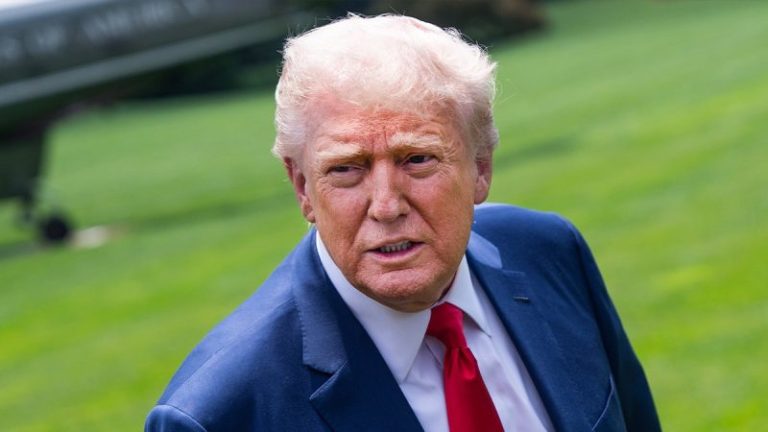
President Donald Trump on Wednesday signed a directive ordering the Department of War to keep paying U.S. troops despite the ongoing government shutdown, bypassing Congress after lawmakers failed to reach a funding deal for weeks.

The White House said the move is necessary to protect ‘military readiness’ as the budget standoff stretched into its third week. The order, issued as National Security Presidential Memorandum-8 (NSPM-8), directs the department to use available fiscal year 2026 funds to cover military pay and allowances.

‘The current appropriations lapse presents a serious and unacceptable threat to military readiness and the ability of our Armed Forces to protect and defend our Nation,’ the memo states.

Trump cited his Article II powers as commander-in-chief in issuing the order, which covers active-duty troops and reservists on service orders. The directive instructs officials to use only funds that are legally tied to military pay, in coordination with the Office of Management and Budget (OMB).

More than one million service members were expected to miss paychecks starting this week if Congress didn’t act. Trump’s move marks a break from past administrations, which often waited for bipartisan deals instead of intervening directly.

Rep. Nick LaLota, R-N.Y., told Fox News Digital that ‘Trump’s mid-month action was welcome news to the military community. But now that same community is anxious about what happens at the end of the month, where mortgages and rents and car payments all become due.’

‘Democrats were wrong to try to use troop pay as leverage to accomplish their political goals. And it would be wrong, it would be just as wrong, for a Republican to hope that that lack of pay would be a catalyst to get Democrats to acquiesce,’ LaLota said. ‘[Trump is] protecting the troops when Congress won’t.’

The Pentagon has not said which specific accounts will be used. Reports from Roll Call and Reuters indicate the administration has identified roughly $8 billion in unobligated defense funds as potential options.

Critics warn the move could face legal challenges under the Antideficiency Act, which bars spending money not appropriated by Congress. But White House officials argue the law permits spending that has a ‘reasonable, logical relationship’ to the purpose of the original funds: in this case, keeping troops paid.

The directive follows Trump’s Oct. 11 order to keep troop payments flowing during the shutdown. The White House’s latest move Wednesday with Congress still in gridlock could shape government shutdowns for generations to come.

Fox News Digital’s Elizabeth Elkind contributed to this report.

This post appeared first on FOX NEWS

The House of Representatives passed a roughly $80 billion spending package Wednesday evening, taking a significant step toward averting a government shutdown at the end of this month.

The package combines two of Congress’ 12 annual appropriations bills in what’s called a ‘minibus.’ It covers funding for the State Department and related national security, as well as federal financial services and general government operations.

The bill passed with overwhelming bipartisan support in a 341-79 vote.

Glaring questions still remain, however, over funding for the Department of Homeland Security (DHS) as progressives threaten to withhold support from any such bill unless it’s paired with significant reforms to Immigration and Customs Enforcement (ICE).

The push comes from the left in response to an ICE agent shooting 37-year-old Renee Nicole Good, a U.S. citizen who was driving her car when it made physical contact with a law enforcement official who then fatally shot her.

Partisan divisions have erupted over the narrative, with GOP officials like DHS Secretary Kristi Noem saying the agent acted in self-defense, while Democrats on Capitol Hill have called for criminal investigations.

DHS funding was initially expected to be part of this minibus, but House Appropriations Committee Chairman Tom Cole, R-Okla., told reporters earlier this week he would like to see the bill as part of the final package that’s also expected to include funding for the Department of War, Department of Transportation, Department of Labor, the Education Department and Health and Human Services, among others.

But the top Democrat on the panel, Rep. Rosa DeLauro, D-Conn., told reporters Tuesday she wanted to see DHS funding as a separate bill.

‘It’s got to be by itself,’ DeLauro said. ‘It’s got to be separate.’

Meanwhile, the Congressional Progressive Caucus is formally threatening to oppose any DHS funding that does not change immigration enforcement policy, Rep. Ilhan Omar, D-Minn., announced.

‘Our caucus members will oppose all funding for immigration enforcement in any appropriation bills until meaningful reforms are enacted to end militarized policing practices. We cannot, and we should not continue to fund agencies that operate with impunity,’ she told reporters.

But the bill that passed Wednesday did so with wide bipartisan support, as expected.

All federal spending bills after last year’s government shutdown are a product of bipartisan discussions between the House and Senate.

The recent package totals just over $76 billion in federal funds and is now headed to the Senate for its approval before reaching President Donald Trump’s desk.

The State Department and national security bill includes $850 million for an ‘America First Opportunity Fund,’ aimed at giving the secretary of state funding to respond to potential unforeseen circumstances.

Both Republicans and Democrats touted different victories in the legislation, with a summary by House Appropriations Committee Republicans stating the bill supports ‘President Trump’s America First foreign policy by eliminating wasteful spending on DEI or woke programming, climate change mandates, and divisive gender ideologies.’

Democrats said the bill ‘supports women globally’ by ‘protecting funding for bilateral family planning and the United Nations Population Fund (UNFPA)’ and pointed to $6.8 billion for a new account ‘that supports the activities previously funded under Development Assistance.’ 

The bill also provides millions in security assistance for Israel and Taiwan, among other global partners across the world.

The latter bill provides just over $13 billion for the U.S. Treasury for the remainder of fiscal year 2026, while also including a provision that stops the IRS ‘from targeting individuals or groups for exercising their First Amendment rights or ideological beliefs,’ according to Republicans.

It also provides $872 million for the Executive Office of the President and $9.69 billion in discretionary funding for the Federal Judiciary.

Across the Capitol, the Senate is expected to vote on and pass the previous three-bill funding package on Thursday before leaving Washington, D.C., for a weeklong recess.

Neither side appears willing to thrust the government into another shutdown, with Senate Democrats in particular viewing the package as an opportunity to fund several of their priorities. But there is a growing consensus that a short-term funding patch will be needed to allow lawmakers to finish work on the thornier DHS bill.

‘Homeland is obviously the hardest one, and it’s possible that, if we can’t get agreement, that there could be some sort of CR that funds some of these bills into next year,’ Senate Majority Leader John Thune, R-S.D., said.

Still, bipartisan funding talks are still happening, a stark departure from the last government funding deadline in October. But lawmakers in the upper chamber won’t be able to tackle the two-bill package until they return toward the end of the month.

This post appeared first on FOX NEWS

Here’s a quick recap of the crypto landscape for Friday (November 14) as of 9:00 p.m. UTC.

Get the latest insights on Bitcoin, Ether and altcoins, along with a round-up of key cryptocurrency market news.

Bitcoin and Ether price update

Bitcoin (BTC) was priced at US$94,223.98, a 4 percent increase in 24 hours and its lowest valuation of the day. Its highest was US$97,203.84.

Bitcoin price performance, November 14, 2025.

Chart via TradingView.

Bitcoin’s drop below US$95,000 on Friday, driven by expiring derivatives, whale selling, and weak institutional and retail demand, has intensified fears of an entrenched bear market.

Analysts predict Q4 could be Bitcoin’s “worst fourth quarter on record.’

On X, analyst @follis_ notes that the Wyckoff Distribution model, a classic five phase pattern typically observed near market tops and often precursor to prolonged selling pressure, could signal a potential end to Bitcoin’s bull run.

The pattern suggests that after a buying climax near US$122,000 and a sequence of tests failing to create new highs, the price entered a markdown phase. Bitcoin could drop to US$86,000 if key support levels fail to hold.

Meanwhile, Ether (ETH) was priced at US$3,129.77, a 1.6 percent decrease in the last 24 hours. Its lowest valuation of the day was US$3,131.31, while its highest was US$3,246.27.

Altcoin price update

  • Solana (SOL) was priced at US$139.74, down by 1.9 percent over the last 24 hours. Its lowest valuation of the day was US$138.83, while its highest was US$143.61.
  • XRP was trading for US$2.27, down by 1.5 percent over the last 24 hours. Its lowest valuation of the day was US$2.26, while its highest was US$2.33.

Fear and Greed Index snapshot

Bitcoin’s bearish trajectory has pushed market sentiment into extreme fear. As of today, CMC’s Crypto Fear & Greed Index continues to trend in extreme fear territory with the indicator sitting at 22, marking the lowest levels of investor confidence since March and signaling that traders are highly cautious about entering the market.

CMC Crypto Fear and Greed Index, Bitcoin price and Bitcoin volume.

Chart via CoinMarketCap.

Derivatives data

Bitcoin and Ether futures markets saw a wave of long-side liquidations in the hours leading up to the end of the trading day, signaling trader capitulation amid continued price weakness. Roughly US$65.24 million in Bitcoin positions were liquidated over a four hour window, with the bulk coming from longs. Ether followed a similar pattern, registering US$22.13 million in liquidations, again concentrated among leveraged long positions.

The liquidations coincided with a clear contraction in open interest, suggesting that traders not only endured forced unwinds but also reduced overall exposure. Bitcoin open interest slipped 2.3 percent to US$66.05 billion, while Ether open interest saw a sharper 3.8 percent decline to US$36.31 billion.

Funding rates stayed positive — 0.007 for Bitcoin and 0.012 for Ether — indicating that the futures market remained slightly tilted toward bullish positioning despite the shakeout.

However, Bitcoin’s relative strength index sat at a notably low 27.33, entering the oversold zone and hinting that derivatives pressure may have pushed the market toward a possible short-term exhaustion point.

Taken together, the metrics point to forced deleveraging rather than a broad directional shift, though sustained weakness in open interest could temper near-term volatility once liquidation volumes normalize.

Today’s crypto news to know

Saylor denies reports of Bitcoin selloff

Strategy’s (NASDAQ:MSTR) Michael Saylor took to X on Friday to debunk reports that the company has reduced its Bitcoin holdings by roughly 47,000 BTC.

“I think the volatility comes with the territory,” he reiterated in a CNBC interview that day. “If you’re going to be a Bitcoin investor, you need a four-year time horizon and you need to be prepared to handle the volatility in this market.”

An earlier post from @Crypto Crib claims that the company had offloaded over 30,000 BTC; however, community-supplied context clarifies that 22,704 BTC were moved on October 31, and that these transfers were internal custody movements, not open-market sales.

Tether expanding commodity lending

In an interview with Bloomberg, Tether CEO Paolo Ardoino said the company is ‘expanding its presence in commodity lending,’ noting that the focus going forward will include traditional commodity trades like agriculture and oil managed under its new Trade Finance unit, which provides short-term credit for global supply chains.

The company has lent roughly US$1.5 billion in credit to commodities traders so far.

Alibaba builds tokenized payment system

Alibaba Grou Holding (NYSE:BABA) is developing a stablecoin-like system to streamline cross-border payments for its US$35 billion e-commerce network, aiming for a year-end launch.

The tokenized platform will initially support US dollars and euros, and will include further plans to expand to additional currencies using JPMorgan’s tokenization technology.

Under the system, artificial intelligence-driven smart contracts will automate settlements, dispute resolution, and conditional fund releases to reduce friction in B2B transactions. The system will operate alongside Alibaba’s Agentic Pay rail to enhance speed and transparency.

While not a formal stablecoin, the solution acts as a fiat-backed digital token for settlement purposes.

UAE tightens crypto access

The United Arab Emirates (UAE) has enacted a new central bank law that broadens licensing requirements for financial services, effectively criminalizing unlicensed crypto activity. Article 170 imposes penalties, including fines up to AED 500 million (US$136 million) and imprisonment, for offering financial products without authorization.

Self-custody tools, such as Bitcoin wallets, blockchain explorers, and market-data services, now fall under the licensing net, creating compliance challenges for providers inside and outside the UAE.

Article 61 further restricts promotion, marketing, or publication of unlicensed financial activities, affecting even online communications. Companies have a one year window to comply, subject to central bank discretion.

Uniswap introduces continuous clearing auctions

Uniswap introduced continuous clearing auctions on Thursday (November 13), a new protocol aiming to facilitate token offerings through its infrastructure. The company said that the protocol will help teams ‘bootstrap liquidity on Uniswap v4 and find the market price for new and low-liquidity tokens,’ adding that several additional tools currently under development will eventually be added to help projects launch and deepen token liquidity on the platform.

Securities Disclosure: I, Giann Liguid, hold no direct investment interest in any company mentioned in this article.

Securities Disclosure: I, Meagen Seatter, hold no direct investment interest in any company mentioned in this article.

This post appeared first on investingnews.com